

Reviewed · 1-DAY TOURS
Neapolitan Pizzamaker for One Day
Naples gives you plenty of chances to eat pizza, but this class shows you why the local version works. At the official school for pizza makers, you learn the dough, ingredients, shaping, and wood-fired cooking behind true Neapolitan pizza, then eat the result fresh from the oven. Peter, one of the named instructors, is praised for clear, hands-on teaching.
I like two things here: you do the work yourself, rather than simply watching a chef, and the class explains the history and science behind the food. Picking basil from the school’s herb garden, learning when ingredients go on, and handling the dough make this more useful than a simple meal.
The main drawback is physical. You should expect to stand for much of the class, and the cooking room can become hot. One participant found the room uncomfortable and felt the session lasted closer to four hours, even though the scheduled duration is about three hours.
In This Review
- Key points to know before booking
- Why this Naples pizza class is more than lunch
- Welcome coffee and the story of true Neapolitan pizza
- Mixing and kneading the dough
- Shaping and seasoning with Margherita ingredients
- Firing your pizza in the wood oven
- Eating the pizza you made
- What Peter’s teaching style adds
- Is $112.93 a fair price?
- Who should book this experience?
- My verdict on the Naples pizza workshop
- FAQ
- Where does the pizza-making class begin?
- Where does the activity end?
- How long does the class last?
- What will I make?
- Will I cook the pizza myself?
- Is food included?
- Is the class offered in English?
- How large is the group?
- Can I cancel for a refund?
Key points to know before booking
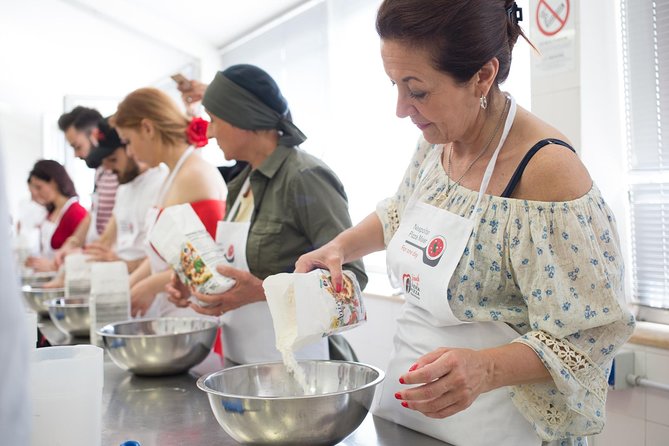
- You make a full Neapolitan pizza: Mix, knead, shape, season, and cook your own pizza rather than receiving a prepared dish.
- The class begins with pizza history: You learn why pizza matters in Naples and how the traditional style developed.
- Wood-oven cooking is part of the lesson: You spread the dough and cook it in a real wood oven under instruction.
- The class is small: A maximum of 10 people allows room for hands-on help and questions.
- Peter receives especially strong praise: His teaching covers dough handling, proofing, ingredients, and firing for both beginners and home pizza makers.
- Plan for standing and heat: There are no chairs in the cooking area, and the room may feel hot while pizzas are being fired.
Why this Naples pizza class is more than lunch
The best reason to book this experience is that it treats pizza as a craft, not just a plate of food. You come to Naples already surrounded by pizzerias, but it is easy to miss the details that separate a local-style pizza from a round piece of dough with toppings.
This workshop takes you through those details in order. You start with the story of true Neapolitan pizza, then watch a demonstration before making the dough yourself. From there, you work with the raw ingredients, shape the base, season it, and cook it in a wood oven.
That order matters. You are not handed flour and told to make something that looks like pizza. You first get the reasons behind the method, then put the method into practice. For anyone who has tried pizza at home, this can fill in the gaps between a recipe and the way dough actually behaves.
The class also connects the food to Naples. Pizza is not presented as a generic Italian dish. The focus is the Neapolitan pizzaiuolo tradition, which UNESCO recognizes as intangible cultural heritage. That gives the workshop a clear sense of place and purpose.
A few more Naples trips worth weighing up
- From Naples: Amalfi Coast Full-Day Trip
★ 4.5 · 4,354 reviews - From Naples: Pompeii and Vesuvius Guided Day Trip with Lunch
★ 4.8 · 2,237 reviews - From Naples: Pompeii & Amalfi Coast Full-Day Trip with Lunch
★ 4.5 · 2,155 reviews
Welcome coffee and the story of true Neapolitan pizza
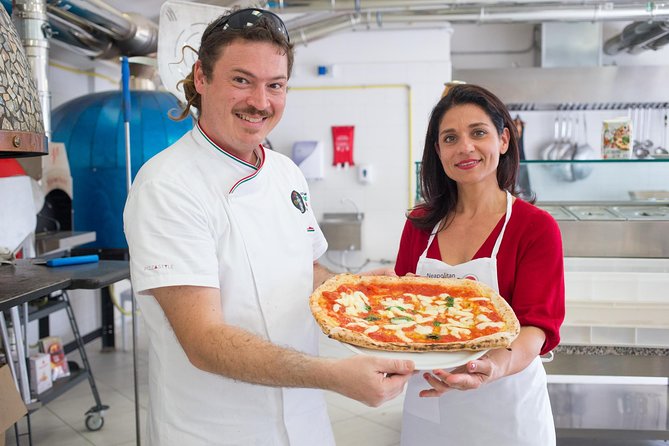
The session begins with a welcome coffee and an introduction to the history of true Neapolitan pizza. This opening is useful because it gives context before the practical work begins.
You learn about pizza’s place in Neapolitan cuisine and the traditions linked to the pizzaiuolo, or pizza maker. The class is designed for people of all ages, and the teaching moves from explanation to demonstration before you begin working with your own hands.
I especially like this format for first-time cooks. You get a chance to see the process before trying it, which makes the dough stage less intimidating. It also helps experienced home cooks understand that Neapolitan pizza is not simply about adding better toppings.
One participant who had made pizza for years appreciated learning the science and history that had been missing from home attempts. That is a good clue about the class’s level. It is accessible to beginners, but it does not stop at basic entertainment.
Mixing and kneading the dough
The central lesson begins with the dough. You follow the instructor’s demonstration, then prepare the dough using the methods associated with real Neapolitan pizza.
The practical value comes from handling the dough yourself. Kneading is easy to describe in a recipe, but far harder to understand until you feel how the dough changes under your hands. The class also covers proper kneading and proofing, two areas that often decide whether home pizza turns out light and workable or dense and difficult.
Peter is praised for explaining each step clearly and making the process manageable for both beginners and people with some experience. His approach combines a demonstration with hands-on practice, so you can copy the movement, try it yourself, and ask for help as you go.
The group limit of 10 is important here. This is not a large show where you stand at the back and watch a distant instructor. With fewer people, you have a better chance to receive direct guidance while working the dough.
Keep your expectations practical. You are not likely to leave as a professional pizzaiuolo after one morning or afternoon. You can, however, take home a better feel for dough and a clearer understanding of what to do next time you make pizza.
Shaping and seasoning with Margherita ingredients
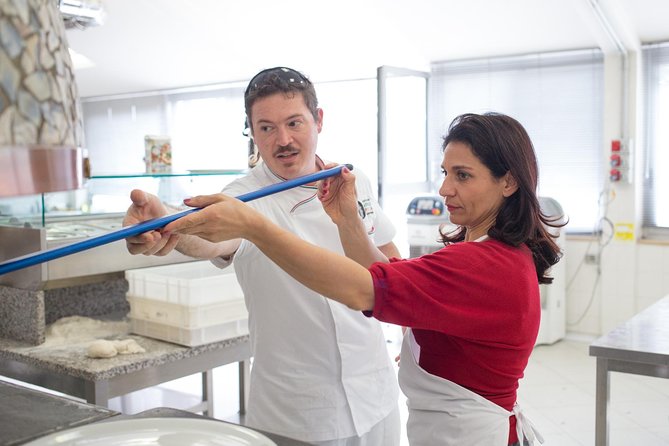
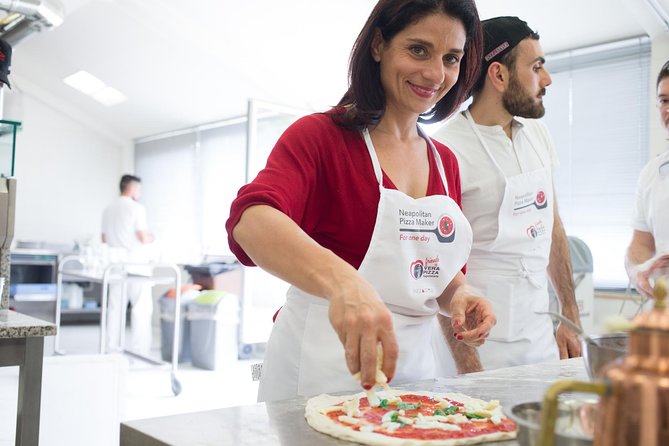
Once the dough is ready, you spread and shape it for cooking. The class focuses on the Margherita pizza and uses its traditional ingredients.
This is where the workshop becomes particularly useful. A good pizza depends on more than the dough recipe. You need to know how thin to make the base, how to handle it without tearing, and how much topping is enough. Too much sauce or cheese can weigh the dough down, especially in a very hot oven.
The instructor explains the role of each ingredient and the order in which it is added. One especially nice detail is the school’s herb garden, where a participant picked fresh basil for the pizza. That small step connects the lesson to the ingredients in front of you and keeps the cooking from feeling like a staged demonstration.
The menu is simple: pizza is the main dish. That is not a weakness here. The point is to learn one classic preparation properly rather than sample a broad meal.
You should also expect the class to focus on Margherita rather than offering a long list of toppings. For people looking for a creative pizza workshop with many recipes, this may feel narrow. For anyone wanting to understand the Neapolitan standard, the focus makes sense.
A completely different sort of day out of Naples:
- From Naples: Pompeii Ruins & Mount Vesuvius Day Tour
★ 4.3 · 11,459 reviews - From Naples: Sorrento, Positano and Amalfi Full-Day Tour
★ 4.6 · 10,988 reviews - From Naples: Sorrento, Positano & Amalfi Coast – Small Group Tour
★ 5.0 · 8,643 reviews - Naples: Catacombs of San Gennaro Entry Ticket & Guided Tour
★ 4.6 · 7,941 reviews
Firing your pizza in the wood oven
The most exciting stage is cooking the pizza in the wood oven. After shaping and seasoning, you put the pizza into the oven with instruction from the chef.
A wood oven changes the rhythm of the class. You need to work neatly and pay attention, since the pizza cooks quickly and the oven demands careful handling. You learn how the dough and toppings respond to high heat rather than simply placing a tray in a kitchen oven.
This is also the hottest part of the experience. One participant found the cooking room too warm and noted that people were sweating while working. There are no chairs in the room, so you should wear comfortable clothes and shoes and be ready to remain on your feet.
The scheduled workshop runs from 10 a.m. to 1 p.m. or from 3 p.m. to 6 p.m. The actual pace may feel longer if you are standing through the full lesson and waiting while each person cooks. A review described the experience as lasting four hours, although the stated duration is approximately three hours. Allow some flexibility after the advertised end time if you have another booking.
Eating the pizza you made
At the end, you taste the freshly baked pizzas in wedges. This is a simple finish, but it is also the payoff for the whole class.
Freshly cooked pizza gives you an immediate way to judge the lessons. You can see how your dough shaped up, taste the balance of the Margherita ingredients, and understand why the wood oven matters. The meal is not separate from the workshop. It is the final test of what you just learned.
The finished pizza receives some of the strongest praise in the feedback. People describe it as delicious and, for one participant, the best pizza of the trip. I would treat that as an encouraging sign, not a guarantee that every pizza will come out perfect. You are learning, and your result will depend partly on how comfortably you handle the dough.
Still, eating your own pizza is more satisfying than being served a slice after a demonstration. You remember the process, and the meal gives the class a clear ending.
What Peter’s teaching style adds
Peter is the instructor named most often in the supplied material, and his teaching is a major reason the class appeals to a wide range of cooks. His method combines a demonstration with direct practice, then explains the reasoning behind each stage.
That balance is important. Some cooking classes are enjoyable but light on technique. Others become technical lectures with little time to work. Here, the stated format gives you both: history and instruction first, then dough, ingredients, shaping, firing, and tasting.
The strongest praise focuses on Peter’s clear, practical guidance. He explains dough management, kneading, proofing, toppings, and the firing process in a way that works for beginners and people who started making pizza at home during lockdown.
The class also appears well organized, with friendly staff, clean facilities, and good equipment described in the feedback. Those details matter in a hands-on lesson. Clean work areas and reliable tools make it easier to concentrate on the dough instead of dealing with avoidable confusion.
Is $112.93 a fair price?
At $112.93 per person, this is not a cheap lunch. You are paying for a structured cooking lesson, an instructor, ingredients, access to the school, use of the equipment, and the pizza you eat at the end.
The value depends on what you want. If you only want to eat excellent pizza in Naples, you can spend far less at a pizzeria. If you want a polished cooking class with clear instruction and a local food tradition at its center, the price is easier to justify.
I see the strongest value for people who will use the lesson after the trip. The class covers technique rather than just presentation, and several participants wanted to take the method home and make better pizza. That makes the cost more reasonable for home cooks who plan to practice.
The small maximum of 10 also helps. You are paying for time with an instructor, not only for admission to a room. The more questions you ask and the more seriously you work with the dough, the more useful the session becomes.
Who should book this experience?
This class suits first-time pizza makers, couples, families, and home cooks who already know the basics but want a better grasp of Neapolitan technique. It is also a good choice for anyone who wants a food experience tied closely to Naples rather than a general cooking lesson.
It may appeal especially to people who enjoy learning how things work. The history, ingredient explanations, proofing, and wood-oven firing give the session more substance than a quick make-and-eat activity.
I would hesitate to recommend it to anyone who dislikes standing, struggles with heat, or wants a relaxed seated meal. The cooking area has no chairs, and the oven makes the room warmer. You also need to keep the three-hour schedule in mind, with some extra time possible.
Because the group is capped at 10 and the experience is booked an average of 42 days ahead, planning early is sensible if your Naples dates are fixed. Confirmation arrives within 48 hours, subject to availability. You can cancel for a full refund up to 24 hours before the local start time, but late cancellations and changes are not accepted.
My verdict on the Naples pizza workshop
You should book this class if you want to understand Neapolitan pizza from the inside out. The best parts are the hands-on dough work, the clear teaching associated with Peter, the explanation of pizza’s place in Naples, and the chance to cook in a wood oven.
You should skip it if your priority is simply finding the lowest-cost pizza meal or avoiding heat and time on your feet. For everyone else, the price buys more than lunch: it gives you a practical food memory and techniques you can try again at home.
The strongest reason to choose it is simple. You do not just eat pizza in Naples. You learn why this pizza is made the way it is, then taste the result while the lesson is still fresh.
FAQ
Where does the pizza-making class begin?
The meeting point is Via Capodimonte, 19a, 80131 Napoli NA, Italy.
Where does the activity end?
The experience ends back at the meeting point.
How long does the class last?
The scheduled duration is approximately three hours. Sessions are listed from 10 a.m. to 1 p.m. and from 3 p.m. to 6 p.m.
What will I make?
You will make authentic Neapolitan pizza, with the Margherita pizza as the featured preparation.
Will I cook the pizza myself?
Yes. You work with the dough, shape and season the pizza, and cook it in a wood oven with instruction.
Is food included?
The class includes tasting freshly baked Neapolitan pizza in wedges. The sample menu lists pizza as the main dish.
Is the class offered in English?
Yes. The experience is offered in English.
How large is the group?
The maximum group size is 10 people.
Can I cancel for a refund?
You can cancel at least 24 hours before the local start time for a full refund. Cancellations or changes made less than 24 hours before the start are not accepted.
Just added around Naples
- Full-Day Tour of the Amalfi Coast and Pompeii from Naples★ 4.5 · 3 reviews
- The Ultimate Neapolitan Cooking Class with Local★ 5.0 · 3 reviews
- Transfer from Naples to Sorrento or viceversa★ 5.0 · 3 reviews
- Naples: Old City Center Street Food Tour with Spritz★ 4.7 · 3 reviews
- Visit in Pompeii – Naples Private Tour with Ada★ 5.0 · 3 reviews
- Naples: National Gallery of Capodimonte Tour★ 5.0 · 3 reviews
- Visit 2 wine producers with tasting and transportation included★ 5.0 · 3 reviews
- Naples: Mozzarella experience★ 5.0 · 3 reviews
1-Day Tours, compared.

Pompeii & Amalfi Coast Full-Day Trip with Lunch
Read our review →

Pompeii & Mt. Vesuvius Day Trip with Tickets & Lunch
Read our review →
Skip-the-Line Pompeii & Mt. Vesuvius Day Trip from Naples
Read our review →
Sorrento and Amalfi Coast Small Group Day Trip from Naples
Read our review →Browse the lists this tour appears in