
Reviewed · MUSEUMS
Capua: The Spartacus Arena and Gladiator Museum Tour
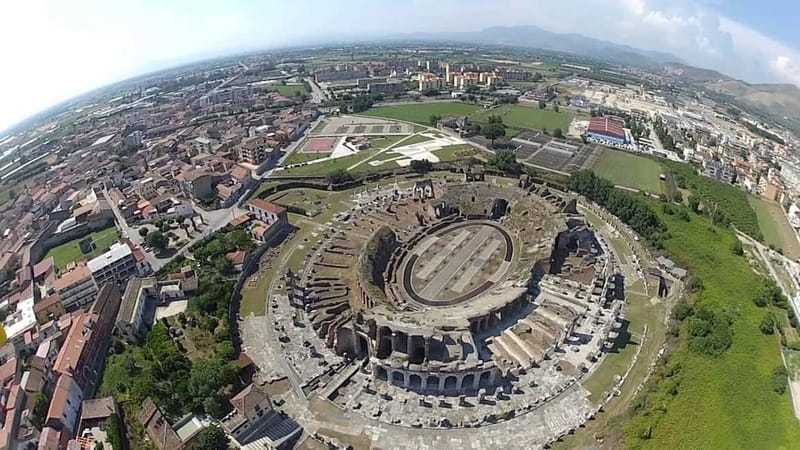
Capua’s Campano Amphitheater is the reason to make this trip. It is the second-largest Roman amphitheater after Rome’s Colosseum, and Spartacus is tied to the city’s story. I like that you get the arena itself, then see its decorations and gladiator displays in the nearby museum.
I also like the private format and the archaeologist guide, who can make sense of what you are seeing instead of leaving you with a pile of old stones. The main drawback is transport: you must make your own way to Santa Maria Capua Vetere, and the $260.56 price is for a private group of up to one person, so the value is strongest if you want personal attention.
In This Review
- Key points to know before you go
- Why Capua deserves time beyond Pompeii and Rome
- Entering the Campano Amphitheater
- Following Spartacus and Hannibal through Capua
- Walking ancient streets in Santa Maria Capua Vetere
- The Gladiator Museum and its reconstructed fight
- How the two-hour schedule works
- What the private price means
- Meeting your guide and preparing for the visit
- Who will enjoy this Capua tour most
- Should you book the Spartacus Arena tour?
- FAQ
- Where does the tour begin?
- How long does the experience last?
- What sites are included?
- Is admission included?
- Which languages are available?
- Is transportation included?
Key points to know before you go
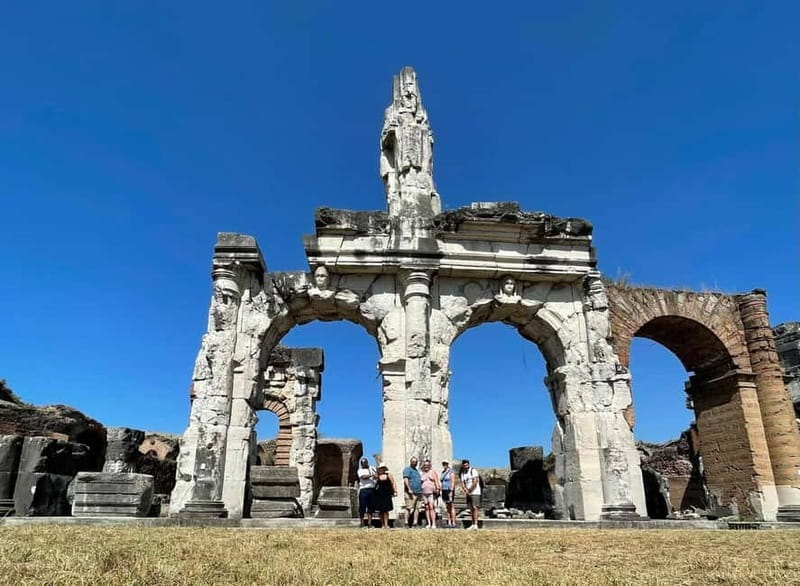
- The Campano Amphitheater is the main event: Explore one of the best-preserved Roman arenas and a possible model for Rome’s Colosseum.
- Spartacus is part of the setting: Capua is linked to the beginning of his famous revolt.
- The tour goes beyond Roman ruins: The archaeological displays include objects dating to the Iron Age.
- Your guide is an archaeologist and licensed tourist guide: Expect historical explanation alongside the walk through the site.
- The visit lasts two hours: About 90 minutes are spent around Santa Maria Capua Vetere, followed by roughly 20 minutes in the Gladiator Museum.
- This is a private experience: English, Italian, French, and Spanish tours are available, with admission included.
Why Capua deserves time beyond Pompeii and Rome
Most visitors to Campania plan around Pompeii, Herculaneum, Naples, or Caserta. Capua gives you a different kind of ancient site. Instead of a fully exposed city frozen by disaster, you see the remains of a major Roman center through its amphitheater, streets, museum pieces, and long connection to war, politics, and gladiatorial life.
Ancient Capua was wealthy and important enough for Cicero to call it altera Roma, or the other Rome. Hannibal reached the city with his army and elephants, and Spartacus began his rebellion here. Those stories give the ruins extra weight, but the visit still depends on your guide to connect them to the physical remains.
I like this tour for that reason. You are not simply checking off another arena. You are learning why Capua mattered and how its public buildings fit into the life of the ancient city.
The setting is Santa Maria Capua Vetere, a few kilometers from Caserta. It is not the same place as modern Santa Maria Capua Vetere’s larger neighbor, Capua, so check your route carefully when arranging transport. The meeting point is the entrance to the archaeological park.
More museums and sites in Naples:
- Naples: National Archaeological Museum Ticket & Audio App
★ 4.4 · 617 reviews - Naples: National Archaeological Museum of Naples Guided Tour
★ 4.8 · 498 reviews - Naples: National Archaeological Museum Tour & Digital Guide
★ 4.2 · 177 reviews
Entering the Campano Amphitheater
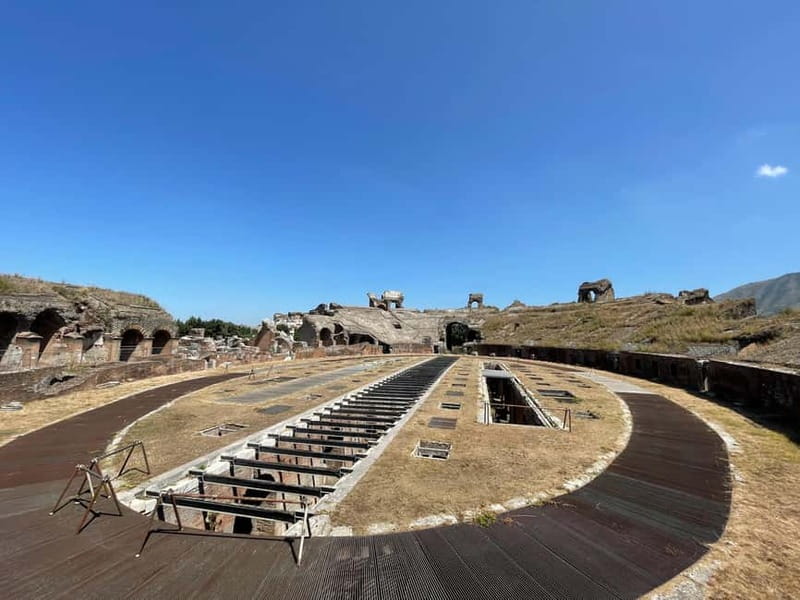
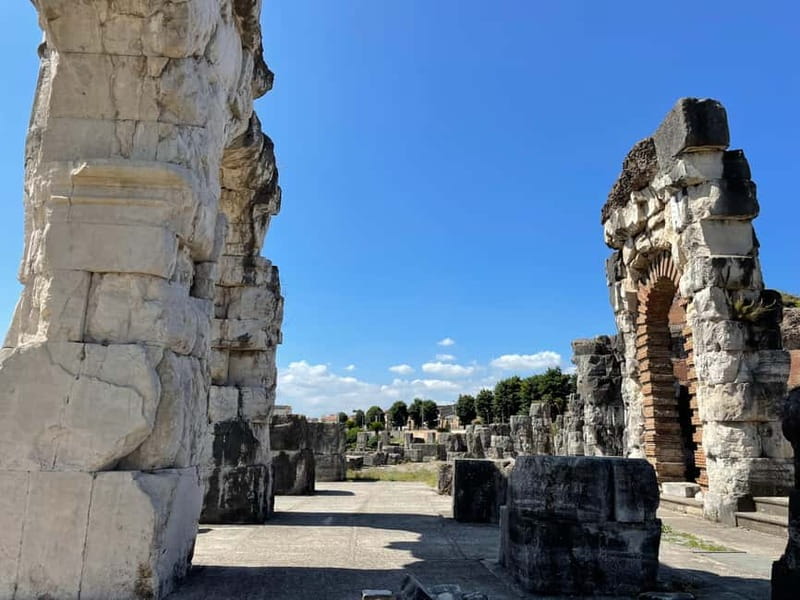
The tour begins at the Campano Amphitheater, also called the Spartacus Arena. This is where most of your time is spent, and rightly so. The structure remains remarkably complete compared with many ancient arenas, giving you a clearer sense of its scale and purpose.
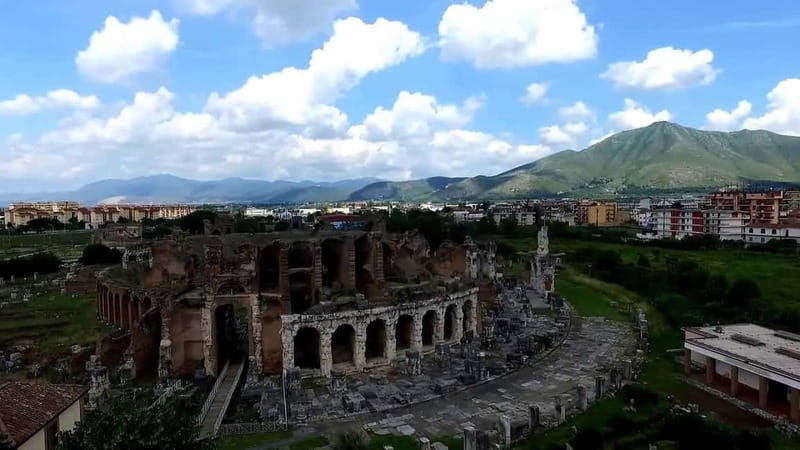
Your archaeologist guide leads you through the archaeological area and along ancient streets. That detail matters. Walking through the old urban setting helps you see the amphitheater as part of a functioning city rather than as an isolated monument.
The arena was likely a model for the Colosseum in Rome. Later, emperors Hadrian and Antoninus Pius progressively embellished it. You can therefore look at the building not as a single construction project, but as a place that changed as Roman power and public entertainment changed.
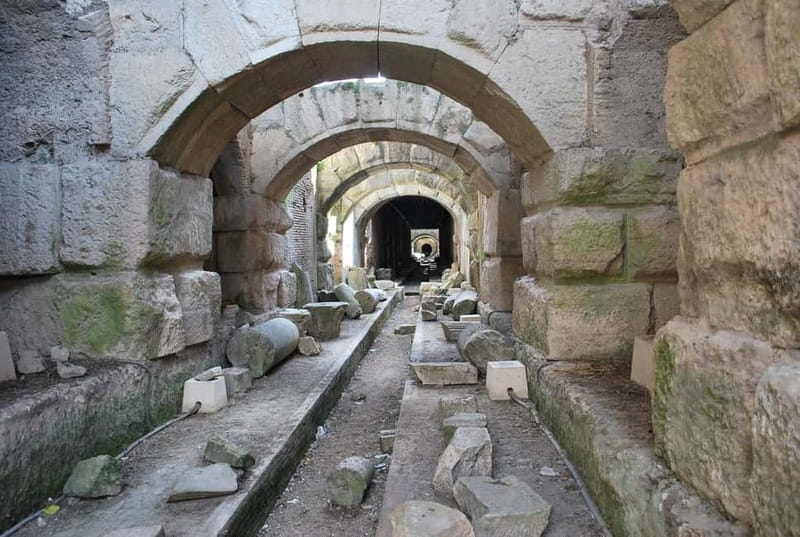
The tour description does not promise access to every architectural level or underground area, so keep your expectations focused on the preserved remains that are open during your visit. The value comes from the guide’s interpretation and from seeing the structure at close range.
An archaeologist guide can point out the surviving portions, explain the role of the amphitheater, and put Capua’s political importance into context. One published comment specifically praised the guide as well spoken, informative, and responsive. That is useful to know because good communication matters on a site where the story is not always obvious from the masonry alone.
Following Spartacus and Hannibal through Capua
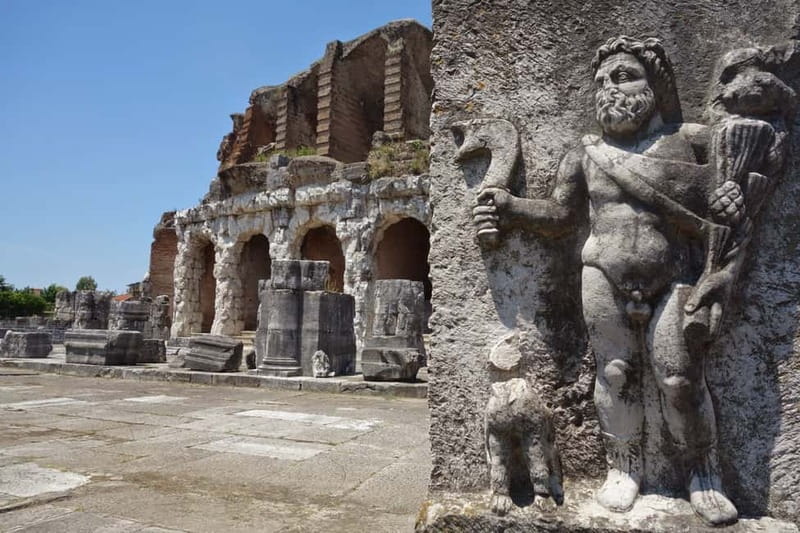
The Spartacus connection gives the amphitheater a memorable human story. Spartacus trained as a gladiator in Capua and began his revolt from the area. The arena is therefore linked to one of the best-known uprisings against Roman authority, even though the tour is not presented as a theatrical reenactment.
Hannibal’s arrival adds another layer. His army and elephants reached Capua during the Second Punic War, showing how important the city was before and during Rome’s rise. You get a quick lesson in why this was a prize worth fighting over.
I appreciate that these stories are not separate from the site. They help you understand Capua as a major center with military, political, and entertainment connections. Your guide can use the streets and amphitheater to turn those names into a timeline.
Still, this is not a full-day history course. The tour lasts two hours, so the ancient city is presented through selected remains rather than every known period and monument. If you want a long archaeological study, you may need more time on your own. If you want a focused introduction near Caserta, the shorter format works well.
Walking ancient streets in Santa Maria Capua Vetere
The itinerary allows about an hour and a half for the guided visit around Santa Maria Capua Vetere, including a photo stop. This is the part of the experience that gives the amphitheater a wider setting.
You will walk through the archaeological area with your guide rather than viewing the arena only from a single point. Ancient streets help you picture how people moved through the city and how a huge public building related to nearby urban life.
Because the tour is private, you can ask questions at your own pace. That is especially helpful if you are interested in Roman construction, gladiators, the city’s relationship with Rome, or the connection to Spartacus. A larger group often means moving on when you still have a question. Here, the arrangement is designed for a more direct exchange with the guide.
The tour is wheelchair accessible, which is an important practical advantage. The supplied information does not describe the exact surface conditions or which portions of the archaeological area are accessible, so you should confirm any specific mobility needs when booking.
Bring comfortable shoes and water. Food and drinks are not included, and the two-hour visit is built around walking and sightseeing rather than a meal break. The site is not presented as a food tour, so plan refreshments separately.
A completely different sort of day out of Naples:
- From Naples: Pompeii Ruins & Mount Vesuvius Day Tour
★ 4.3 · 11,459 reviews - From Naples: Sorrento, Positano and Amalfi Full-Day Tour
★ 4.6 · 10,988 reviews - From Naples: Sorrento, Positano & Amalfi Coast – Small Group Tour
★ 5.0 · 8,643 reviews - Naples: Catacombs of San Gennaro Entry Ticket & Guided Tour
★ 4.6 · 7,941 reviews
The Gladiator Museum and its reconstructed fight
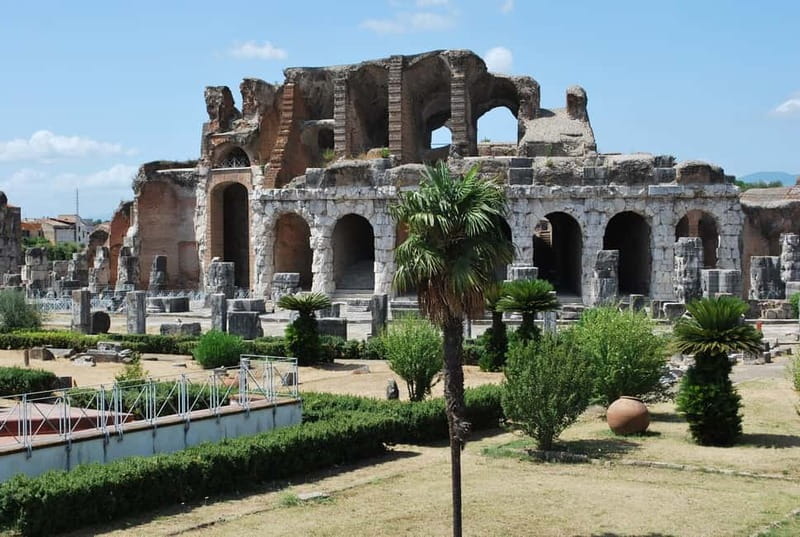
After the amphitheater, the visit continues to the nearby Gladiator Museum for about 20 minutes. This is a short stop, but it adds useful detail to what you have just seen outside.
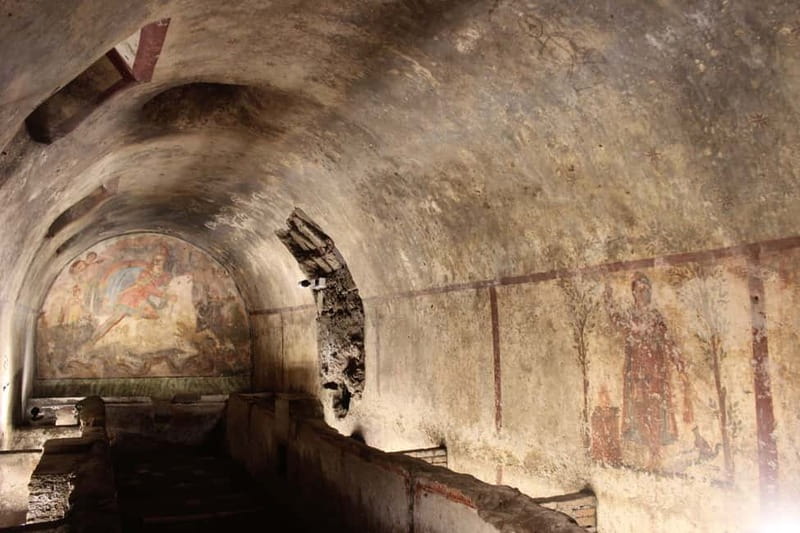
The museum retains original portions of the amphitheater’s decorations. Those pieces help you imagine how much more finished and colorful the arena once looked. Ancient amphitheaters were not simply bare stone shells, and the surviving decorative elements make that point better than a general explanation can.
You will also see a reconstruction of a real gladiator fight. Treat this as an interpretive display, not a live combat show. Its purpose is to explain how a contest may have been organized and presented to an audience.
The museum also contains finds dating back to the Iron Age. This is one of the tour’s strongest details because it widens the story beyond the Roman period. Capua’s past did not begin with the empire, and the earlier objects show that the area had a much longer human history.
Twenty minutes is enough for a guided overview, but not for a slow museum study. If you enjoy reading every label, you may want to ask how much time is available for independent viewing after the guide’s explanation. The advertised route returns you to the amphitheater entrance, so do not expect a separate museum visit lasting several hours.
How the two-hour schedule works
The full experience lasts two hours. The main archaeological visit takes about 90 minutes, and the Gladiator Museum takes approximately 20 minutes. The remaining time allows for movement between areas and the meeting and return arrangements.
That compact schedule is useful if you are combining Capua with Caserta or another Campania stop. It gives you a substantial ancient-site visit without consuming an entire day.
The tradeoff is pace. You will get a guided introduction to the amphitheater, streets, and museum, but you will not have unlimited time at each point. I would choose this tour if you want expert framing and a clear route. I would choose a longer independent visit if your main goal is extended photography, close study of every exhibit, or a slow archaeological survey.
Starting times vary, so check availability before planning the rest of your day. The tour ends back at the archaeological park entrance, which makes onward planning easier than a tour that leaves you in another part of town.
What the private price means
The listed price is $260.56 per group up to one person. Admission to the archaeological area and the guided tour are included, along with a professional archaeologist and licensed tourist guide.
For a solo visitor, that is a significant price for two hours. You are paying for a private guide rather than a low-cost shared group, and the price includes the entry ticket. The value depends on how much you care about having direct access to a specialist and a schedule that is not tied to a large group.
For a larger booking, check the exact group terms carefully because the supplied price states up to one person. Do not assume the amount automatically covers several members of a family or party. The tour is described as a private group experience, but the displayed capacity should guide your booking decision.
The strongest value comes from the content. You see the amphitheater, ancient streets, and Gladiator Museum in one organized visit, with no need to buy separate admission. If you are already planning to visit Caserta and want a focused ancient site nearby, the package can make practical sense.
If your budget is tight, compare the cost with a standard entry visit and decide how much you need a guide. Capua’s remains are rewarding, but the arena itself may be enough for someone who prefers independent exploration.
Meeting your guide and preparing for the visit
Meet your guide at the entrance of the archaeological park. Look for a brooch marked Naples Grand Tour. That identification detail should make the meeting easier, especially if several people are arriving near the same entrance.
Tours are offered in Italian, English, French, and Spanish. Select the language that lets you ask questions comfortably, since much of the value comes from the spoken explanation.
Admission tickets are included, and skip-the-line entry is part of the experience. This reduces one common nuisance at major archaeological attractions, though it does not remove the need to check your exact starting time.
Transportation is not included. You need to arrange your own route to Santa Maria Capua Vetere and return travel after the tour. There is also no food, drink, or souvenir allowance in the package.
Cancellation is flexible up to 24 hours in advance for a full refund, and you can reserve now and pay later. Those terms help if your Campania schedule is still shifting.
Who will enjoy this Capua tour most
I would recommend this experience to anyone staying near Caserta who wants Roman history without spending the day at the Colosseum or Pompeii. It also suits solo visitors who value a private guide and families who want an organized, accessible introduction to ancient Capua.
History fans will appreciate the mix of periods. You move from Iron Age objects to Roman public architecture, with Hannibal and Spartacus tying the site to larger Mediterranean events.
The tour is also a good choice if you prefer interpretation over wandering. The arena is impressive, but the streets and museum become more useful when someone explains how they fit together.
You may want to skip it if you have only a very short stop in Campania and cannot manage transport to Santa Maria Capua Vetere. You should also think twice if you want a full-day archaeological experience or a long museum visit. Two hours gives you a focused sample, not an exhaustive examination.
Should you book the Spartacus Arena tour?
Book this tour if you want a private, archaeologist-led look at one of Campania’s major Roman sites, especially if you are based near Caserta. The Campano Amphitheater, Spartacus connection, ancient streets, Iron Age finds, and gladiator displays create a strong two-hour package.
The decision comes down to price and transport. At $260.56 for the stated group size, it is not the cheapest way to see Capua. But the guide’s clear, informative, responsive approach, combined with included admission and skip-the-line access, gives the visit more structure than a basic entry ticket.
If you want the arena explained rather than simply photographed, I would book it. If you mainly want a quick look at Roman ruins and prefer to keep costs low, visit independently and spend your savings elsewhere in Campania.
FAQ
Where does the tour begin?
Meet your guide at the entrance of the archaeological park at the Anfiteatro Campano e Museo dei Gladiatori. The guide wears a brooch marked Naples Grand Tour.
How long does the experience last?
The tour lasts two hours. About 90 minutes are allocated to the guided visit in Santa Maria Capua Vetere, followed by about 20 minutes at the Gladiator Museum.
What sites are included?
The experience includes the Campano Amphitheater, also called the Spartacus Arena, the archaeological area of ancient Capua, and the nearby Gladiator Museum.
Is admission included?
Yes. Admission tickets to the archaeological area are included, along with skip-the-line entry.
Which languages are available?
The live guide can conduct the tour in Italian, English, French, or Spanish.
Is transportation included?
No. Round-trip transportation is not included. You must make your own way to the archaeological park, and the activity ends back at the meeting point.
Just added around Naples
- Full-Day Tour of the Amalfi Coast and Pompeii from Naples★ 4.5 · 3 reviews
- The Ultimate Neapolitan Cooking Class with Local★ 5.0 · 3 reviews
- Naples: Old City Center Street Food Tour with Spritz★ 4.7 · 3 reviews
- Visit in Pompeii – Naples Private Tour with Ada★ 5.0 · 3 reviews
- Transfer from Naples to Sorrento or viceversa★ 5.0 · 3 reviews
- Naples: National Gallery of Capodimonte Tour★ 5.0 · 3 reviews
- Visit 2 wine producers with tasting and transportation included★ 5.0 · 3 reviews
- Naples: Mozzarella experience★ 5.0 · 3 reviews
Museums, compared.
National Archaeological Museum Ticket & Audio App
Read our review →
National Archaeological Museum of Naples Guided Tour
Read our review →
National Archaeological Museum Tour & Digital Guide
Read our review →


Sant’Aspreno ai Crociferi: Church & Jago Museum Guided Tour
Read our review →
Skip the Line: National Archaeological Museum of Naples Entry Ticket
Read our review →
Browse the lists this tour appears in