
Reviewed · PHLEGRAEAN FIELDS TOURS
The Phlegrean Fields Discover the ruins of Baia, Cuma and Pozzuoli
The Phlegrean Fields offer a side of Naples that many visitors miss: Greek temples, Roman bath complexes, volcanic lakes, and a huge amphitheater spread across the countryside west of the city. This private day tour links Cuma, Baia, and Pozzuoli without making you work out the transport yourself.
I like the private minivan and driver, which let you move between scattered sites without wasting the day on transfers. I also like the chance to spend time with a guide such as Gennaro, whose local connection to Baia adds useful insight into the area’s geology, archaeology, and past.
The main caution is simple: site access can change. Cuma’s acropolis and Pozzuoli’s Flavian Amphitheater have both been closed at times, and that can affect the very places you most want to see. Confirm current openings before you commit, especially at $618.08 per person.
In This Review
- Key points at a glance
- Why the Phlegrean Fields deserve a full day
- Cuma and the uphill path to the acropolis
- Baia’s castle and its wide coastal view
- Roman baths that reward a closer look
- Pozzuoli and the Flavian Amphitheater
- Three volcanic lakes along the route
- What private transport changes
- Guide quality and the private format
- Practical details before you book
- Is this private Phlegrean Fields tour worth it?
- FAQ
- How long does the Phlegrean Fields tour last?
- What time does the tour start?
- Is this a private tour?
- Is pickup available?
- Is transportation included?
- Is the tour offered in English?
- Are admission fees included?
- Are meals included?
- Can I cancel for a full refund?
Key points at a glance
- Cuma begins with a 10-minute uphill walk: Comfortable shoes matter on the path to the acropolis.
- Baia combines a castle, museum, and Roman baths: You get both broad views and detailed ruins in one stop.
- Pozzuoli brings the largest Roman monument: The Flavian Amphitheater is one of the most important amphitheaters in the ancient world.
- Volcanic lakes add a geological angle: You will see Lakes Averno, Fusaro, and Miseno during the day.
- Private transport saves time: Pickup and drop-off are available from hotels, cruise ports, and meeting places in Naples, Salerno, and the Amalfi Coast.
- Closures are the biggest risk: The itinerary has several sites, but two major stops may not always be open.
Why the Phlegrean Fields deserve a full day
The Phlegrean Fields are not one compact archaeological site. They are a broad volcanic area west of Naples, with ruins scattered around towns, lakes, and the coast. That makes this tour useful. You can see several important places in one day without piecing together local transport.
I find the area appealing because it feels less polished and predictable than Naples’ best-known ancient sites. Cuma connects the region to Greek settlement and myth. Baia shows how Roman leisure and wealth shaped the coast. Pozzuoli gives you a large public monument, while the lakes remind you that volcanic forces helped form the setting.
The tour lasts about eight hours and starts at 9:30 a.m. That is a sensible schedule for a full day, though you should expect a steady pace. You are not spending the whole day at one ruin. You are moving between several sites, each with a different purpose and character.
The price is $618.08 per person, so this is not a budget outing. Its value depends heavily on your group size and starting point. For a private group, the cost buys a dedicated vehicle, a professional driver, guidance for the full day, parking, fuel, taxes, and admission to the listed museums and sites. If you are arriving by cruise ship or staying outside central Naples, the pickup can save a great deal of effort.
More Campi Flegrei and Pozzuoli trips:
- Snorkeling among the Submerged Archaeological Finds of Baia da Napoli
★ 5.0 · 72 reviews - Try Scuba Diving and Underwater Roman Ruins in Baia from Naples
★ 4.5 · 66 reviews - Private car tour among the treasures of the Phlegraean Fields of Naples.
★ 5.0 · 47 reviews
Cuma and the uphill path to the acropolis
Cuma is the first major stop, and it asks a little more from your legs than the other locations. Reaching the acropolis involves about 10 minutes of uphill walking, so comfortable shoes are essential. This is not a difficult mountain hike, but the path is enough to make poor footwear annoying.
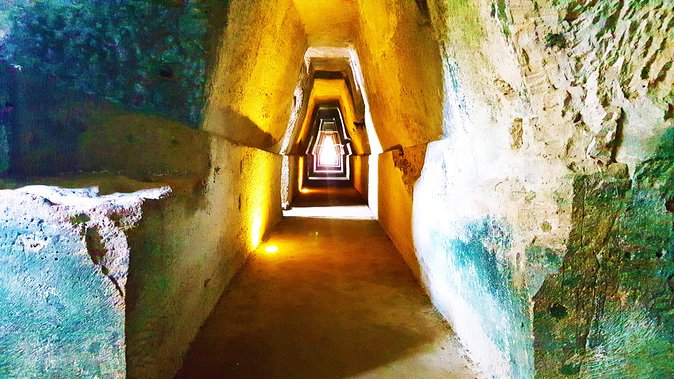
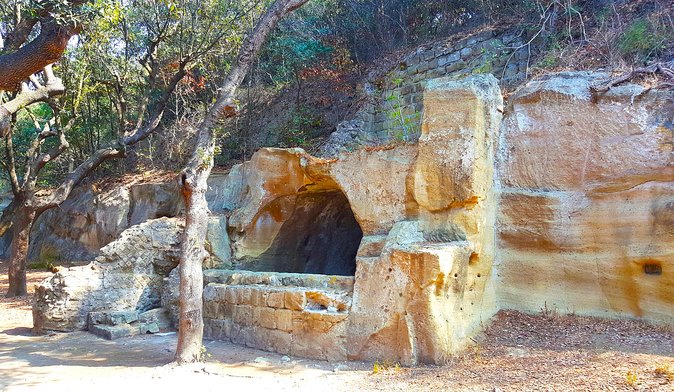
At the acropolis, you will see the remains associated with Apollo’s Temple. The site also includes the Cave of the legendary prophetess Sybil, one of the most evocative places on the route. Your guide can connect the ruins with the religious beliefs and stories that helped make Cuma important in the ancient world.
I like starting here because Cuma gives the tour an older, more mysterious tone. The remains are not simply a collection of standing walls. The acropolis, temple ruins, and cave help you picture a place shaped by worship, legend, and changing cultures.
The drawback is the possibility of closure. The acropolis has been unavailable at times, and that is a serious issue because it is one of the tour’s main reasons for booking. If it is closed on your date, ask in advance how the stop will be adjusted. A guide may be able to explain the area from outside or give you more time elsewhere, but that is not the same as entering the site.
Baia’s castle and its wide coastal view
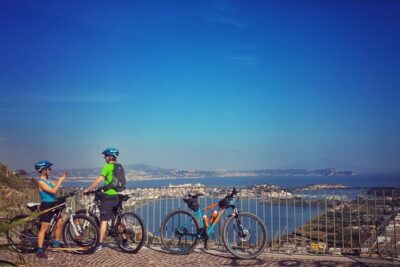
Baia is the most flexible part of the day because it offers several different experiences in one area. You will visit the castle built by Alfonso d’Aragona, which now houses the archaeological museum of Baia. The castle’s terrace provides a place for photographs and a broad view over the surrounding area.
That viewpoint is more than a quick photo stop. It helps you understand how the ancient settlement related to the coast and nearby volcanic features. I appreciate stops like this because they give the ruins a sense of place before you examine them at ground level.
The museum adds objects and context to the outdoor remains. Admission to the Phlegrean museum and sites is included, so you are not repeatedly reaching for your wallet during the day. The exact amount of time at the museum will depend on the pace of your private group and on how the rest of the route is running.
Baia also includes an archaeological park with spectacular ruins of Roman baths. These remains show the area’s connection with Roman leisure, engineering, and wealth. Baia was known in antiquity as a resort area, and the bath complexes help explain why the coast attracted powerful Romans.
I would give Baia extra attention if another site is closed. It has enough variety to support a longer visit: a castle, museum displays, terrace views, and Roman structures. One past itinerary had more time here after closures at Cuma and Pozzuoli, and the driver and guide handled that change well. Still, you should not assume a substitute stop will fully replace a closed monument.
Roman baths that reward a closer look
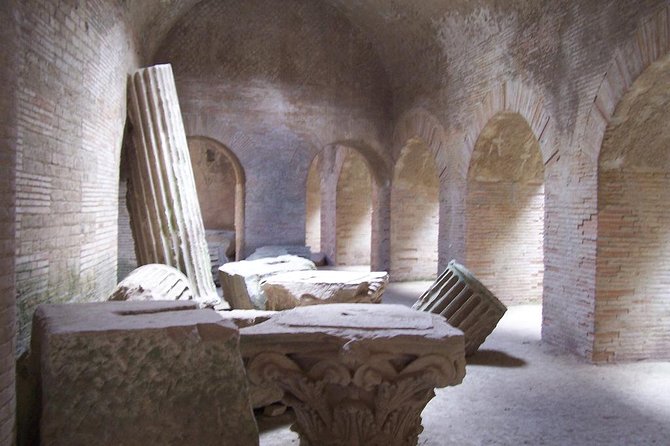
The Roman bath ruins at Baia are not just attractive fragments. They show how ambitious Roman construction could be. Large curved structures and remains of bath complexes hint at the scale of the buildings, even when the original rooms are incomplete.
A guide is particularly useful here because the ruins may not explain themselves. Without help, you might see walls and arches but miss how the complex worked or why the site mattered. A good explanation can turn a quick walk among stones into a clearer picture of Roman social life.
Gennaro is one guide associated with this experience. His connection to the Baia area gives him a personal reason to explain the site, and his focus includes local geology as well as archaeology and history. That combination is useful in the Phlegrean Fields, where the natural setting and ancient remains are tightly linked.
Because this is a private tour, you can ask for more explanation at the ruins that interest you most. You are not tied to the questions or pace of a large group. The tradeoff is that the quality of the day depends on the guide assigned and on how well the group communicates its interests.
A completely different sort of day out of Naples:
- From Naples: Pompeii Ruins & Mount Vesuvius Day Tour
★ 4.3 · 11,459 reviews - From Naples: Sorrento, Positano and Amalfi Full-Day Tour
★ 4.6 · 10,988 reviews - From Naples: Sorrento, Positano & Amalfi Coast – Small Group Tour
★ 5.0 · 8,643 reviews - Naples: Catacombs of San Gennaro Entry Ticket & Guided Tour
★ 4.6 · 7,941 reviews
Pozzuoli and the Flavian Amphitheater
Pozzuoli brings a different scale. The Flavian Amphitheater is one of the most important amphitheaters in the world, and it gives you a chance to consider Roman public entertainment rather than private luxury.
The monument is an important reason to book this route, but it carries the same access warning as Cuma. The amphitheater has been closed at times. If you are choosing the tour mainly to enter this monument, check its operating status before booking and again near your travel date.
If the site is open, your guide can help you read the surviving structure and place it within the wider Roman setting of Pozzuoli. If it is closed, the day still includes Baia and the volcanic lakes, but the balance of the itinerary changes. That is why I would treat the amphitheater as a valuable possibility, not a guarantee, unless the operator confirms access.
The private format helps here. A large public tour may have little room to adjust after a closure. A private driver and guide can spend more time at Baia or keep the day moving, subject to what is open and practical.
Three volcanic lakes along the route
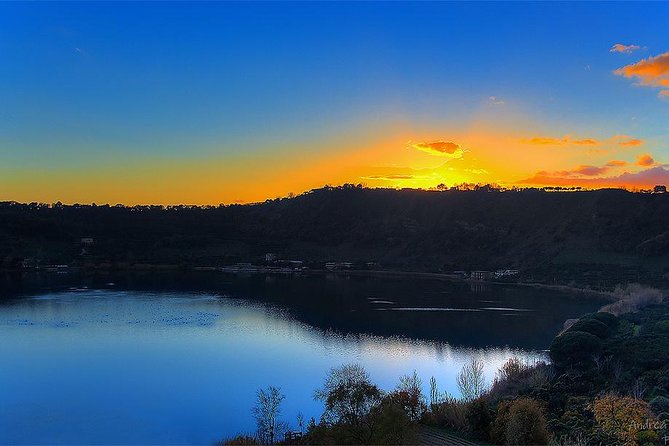
The tour also gives you glimpses of Lakes Averno, Fusaro, and Miseno. These are not presented as separate long walking visits, so you should think of them as part of the broader drive through the Phlegrean Fields.
The lakes add an important layer to the day. This is an active volcanic region, and the water, hills, and ancient settlements are part of one connected setting. Lake Averno in particular is tied to classical ideas about the underworld, while Fusaro and Miseno broaden your view of the area beyond the archaeological parks.
I like these glimpses because they break up the sequence of ruins. After temples, caves, baths, and amphitheater walls, the lakes give you a different way to understand the region. Your guide can also explain the link between the volcanic ground and the ancient communities that developed here.
Do not expect a full nature excursion at each lake. The information describes them as glimpses during the route, not as extended hikes or dedicated lake cruises. If you want long walks by the water, this is not the right tour.
What private transport changes
The route covers several locations around Naples, and private transport is a major part of its value. Pickup and drop-off are offered at cruise ports in Campania, at hotels, and at other meeting places in Naples, Salerno, and the Amalfi Coast.
That wide pickup area is useful if you are not staying in central Naples. It can also make the tour workable on a cruise visit, provided the timing fits your ship schedule. The stated start time is 9:30 a.m., and the full experience lasts about eight hours, so allow room around those times rather than planning another fixed activity immediately afterward.
The minivan includes a professional driver, fuel, parking, and local taxes. Those details matter on a route with several stops. You avoid arranging separate taxis, negotiating parking, or trying to connect distant sites by public transport.
The vehicle is still a means of getting between places, not the attraction itself. If you dislike riding between stops, this may feel like a lot of time in transit. For most people interested in seeing all three areas in one day, though, the transport is the practical backbone of the experience.
Guide quality and the private format
Guidance and assistance are provided for the entire tour. That is important here because the Phlegrean Fields require explanation. The sites are spread out, and their meaning is easier to follow when one person connects Cuma, Baia, Pozzuoli, and the volcanoes.
Gennaro has been praised for his love of the Baia area and for explaining its geology, archaeology, and history. If he is assigned to your group, you may get especially strong local context. The provider is Askos Tours, but the guide you receive may vary, so it is sensible to ask who will lead your date if a particular guide matters to you.
A private tour also lets you set a more comfortable rhythm. You can ask for a slower explanation at Cuma, spend more time taking photographs from the castle terrace, or give Baia extra attention if another stop is unavailable. The day is not fully open-ended, since the route and opening hours still control what can happen.
This format suits people who want a focused day without strangers joining their group. It is also useful for families or friends with shared interests. The cost becomes harder to justify for a single person or a very small group, unless the pickup convenience and specialist route are especially important to you.
Practical details before you book
Wear comfortable shoes. The uphill walk to Cuma’s acropolis takes about 10 minutes, and ancient sites often have uneven surfaces. The provided information does not include meals, so plan to handle food separately during the day.
Confirmation is received at booking. The tour is offered in English, and service animals are allowed. Most people can participate, though you should consider your comfort with walking uphill and moving around archaeological sites.
The cancellation policy is generous if your plans change early. You can cancel for a full refund up to 24 hours before the local start time. Cancellations or changes made inside that 24-hour window are not refunded or accepted.
The biggest practical step is checking access to Cuma and Pozzuoli. Both have been closed at times, and those closures can sharply change the day. If either site is essential to you, ask Askos Tours for the latest status before booking.
Is this private Phlegrean Fields tour worth it?
I would book this tour if you want to see several out-of-town sites in one day and value private transport more than a low price. The combination of Cuma, Baia, Pozzuoli, and the volcanic lakes gives you a broad look at the region, while the guide adds meaning to ruins that can be hard to read on your own.
I would hesitate if your main goal is guaranteed entry to Cuma’s acropolis or the Flavian Amphitheater. Closures have happened, and the price is high enough that you should confirm availability first.
For a private group arriving from Naples, a Campania cruise port, Salerno, or the Amalfi Coast, this is a practical and unusual day out. Go with comfortable shoes, keep your schedule flexible, and treat Baia as more than a backup. It may become the most satisfying part of your day.
FAQ
How long does the Phlegrean Fields tour last?
The tour lasts approximately eight hours.
What time does the tour start?
The stated start time is 9:30 a.m.
Is this a private tour?
Yes. Only your group participates in the activity.
Is pickup available?
Yes. Pickup and drop-off are available from cruise ports in Campania, hotels, and other meeting locations within Naples, Salerno, and the Amalfi Coast.
Is transportation included?
Yes. Full-day transportation is provided by private minivan with a professional driver. Fuel, parking expenses, and local taxes are included.
Is the tour offered in English?
Yes. The experience is offered in English.
Are admission fees included?
Admission to the Phlegrean museum and sites is included.
Are meals included?
No. Meals are not included.
Can I cancel for a full refund?
Yes, if you cancel at least 24 hours before the experience start time. Cancellations or changes made less than 24 hours before the start are not refunded or accepted.
Just added around Naples
- Full-Day Tour of the Amalfi Coast and Pompeii from Naples★ 4.5 · 3 reviews
- The Ultimate Neapolitan Cooking Class with Local★ 5.0 · 3 reviews
- Naples: Old City Center Street Food Tour with Spritz★ 4.7 · 3 reviews
- Visit in Pompeii – Naples Private Tour with Ada★ 5.0 · 3 reviews
- Transfer from Naples to Sorrento or viceversa★ 5.0 · 3 reviews
- Naples: National Gallery of Capodimonte Tour★ 5.0 · 3 reviews
- Visit 2 wine producers with tasting and transportation included★ 5.0 · 3 reviews
- Private Tour: Pompeii & Wine Tasting at the Slopes of Mt Vesuvius★ 5.0 · 3 reviews
Phlegraean Fields Tours, compared.
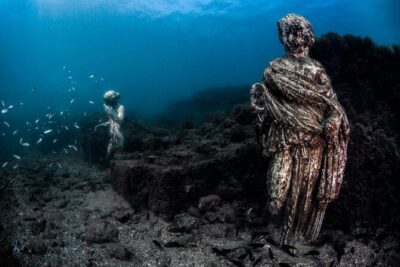
Snorkeling among the Submerged Archaeological Finds of Baia da Napoli
Read our review →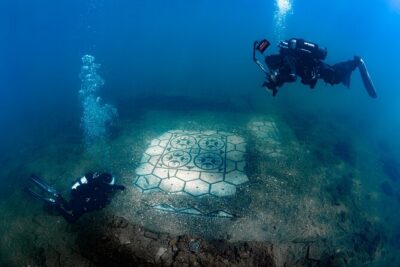
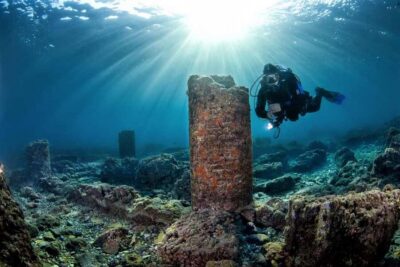
Try Scuba Diving and Underwater Roman Ruins in Baia from Naples
Read our review →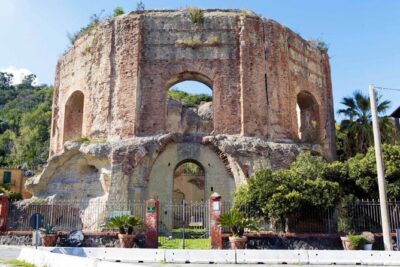
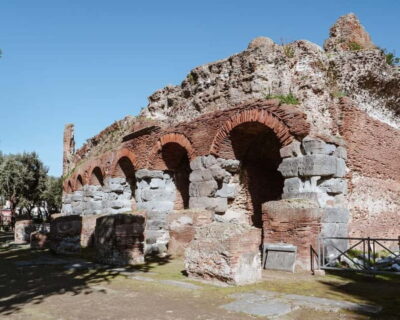
Private car tour among the treasures of the Phlegraean Fields of Naples.
Read our review →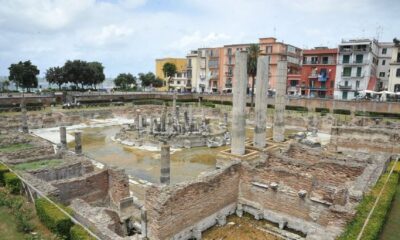
Private car tour among the treasures of the Campi Flegrei in Naples
Read our review →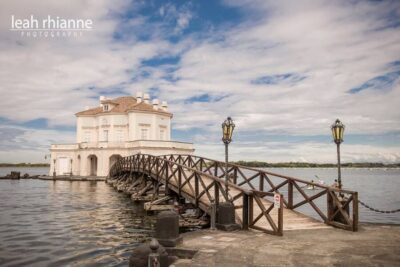
Browse the lists this tour appears in