
Reviewed · PHLEGRAEAN FIELDS TOURS
Try Scuba Diving and Underwater Roman Ruins in Baia from Naples
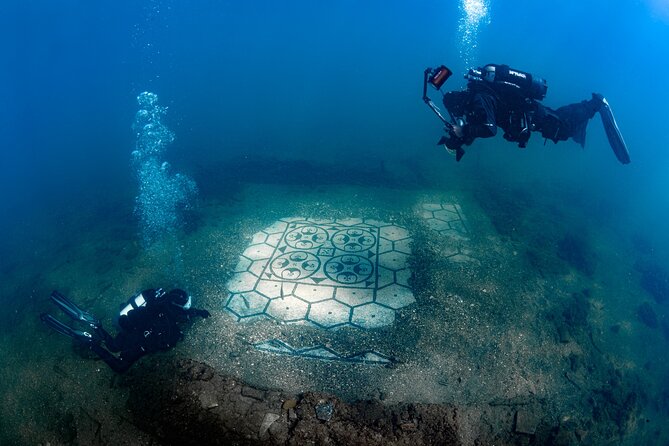
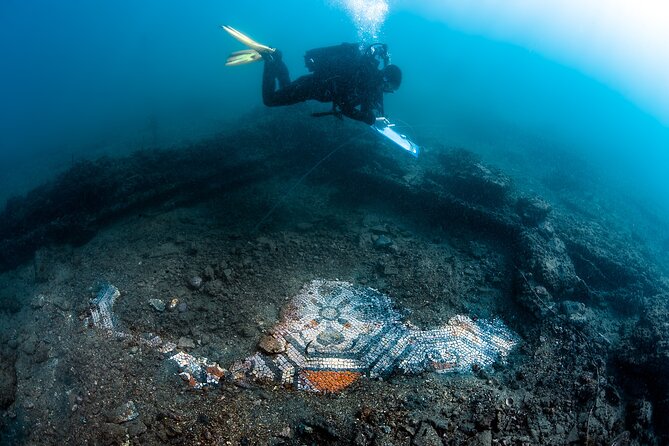
Baia’s Roman ruins are not behind glass or roped off in a museum. They lie beneath the sea, where sand, water, and time surround old mosaics and other remains. This small-group scuba experience gives beginners a careful introduction before two underwater sessions with an instructor.
I like the patient teaching and the chance to see Roman art in its original setting. I also like the choice of scuba or snorkeling, plus options for certified divers. The main catch is important: the statue site is not guaranteed, since only one of Baia’s seven underwater sites contains statues and access depends on the marine park schedule.
In This Review
- Key points to know before booking
- Why Baia’s ruins make this a special scuba experience
- The opening lesson for first-time scuba participants
- Two underwater visits among Roman mosaics
- The statue question matters more than the photos suggest
- What the instructors add to the experience
- Time, group size, and the ride from Naples
- Who will get the most from this experience
- A practical value check at $263.08
- Booking advice and cancellation terms
- Should you book the Baia underwater ruins experience?
- FAQ
- How long does the Baia scuba experience last?
- Are two scuba sessions included?
- Is the experience suitable for beginners?
- Will I see underwater Roman statues?
- Is transportation from Naples included?
- What happens if bad weather cancels the experience?
Key points to know before booking
- Two underwater sessions are included, along with instruction and scuba equipment.
- Baia has seven archaeological sites, but only one contains the statues shown in some promotional images.
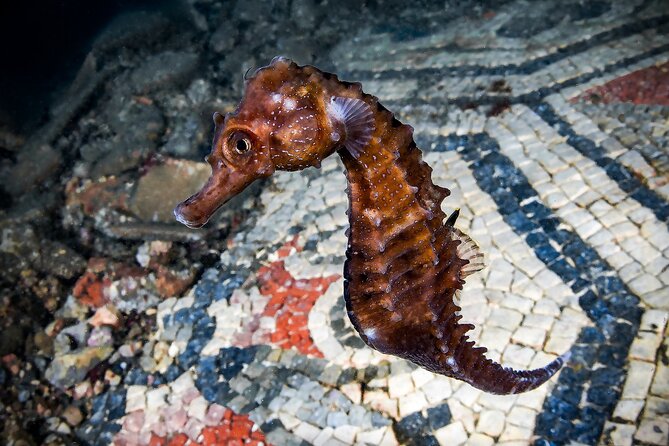
- Mosaics and other Roman remains may be the main attraction, and they can be more visible than the statue site when water conditions are poor.
- Groups are limited to four people, which allows close attention from the instructor.
- Alex is one instructor named in the experience, and the teaching is geared toward first-time scuba participants.
- Transport from Naples costs an additional €75, paid directly to the driver.
Why Baia’s ruins make this a special scuba experience
Baia was once a luxury resort town for wealthy Romans. Over time, volcanic activity and changes in the coastline caused parts of the ancient settlement to sink beneath the water. Today, the submerged remains form an unusual archaeological park near Naples.
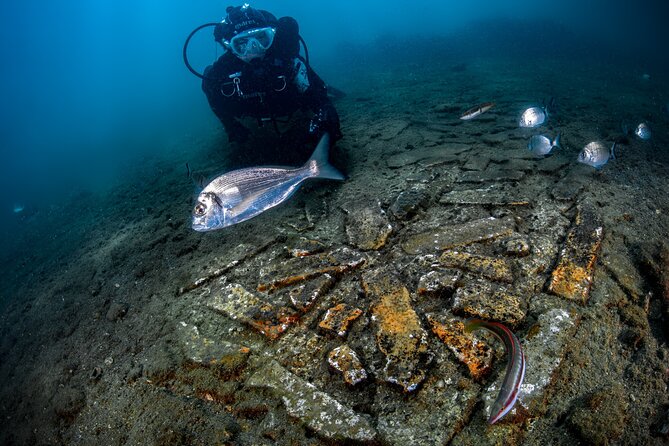
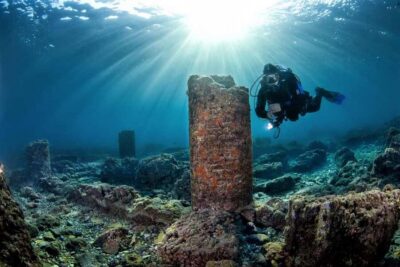
You are not simply looking at old stones from a boat. With the right conditions, you can get close to Roman mosaics, walls, and artifacts on the sea floor. The setting changes how you understand the site. A mosaic underwater feels less like a museum object and more like a piece of a vanished town still resting where it was left.
The experience works especially well for people who want history with a physical element. You learn basic scuba skills, manage your breathing, and then use those skills while moving around an ancient site. That combination gives the outing more purpose than a standard introductory pool session.
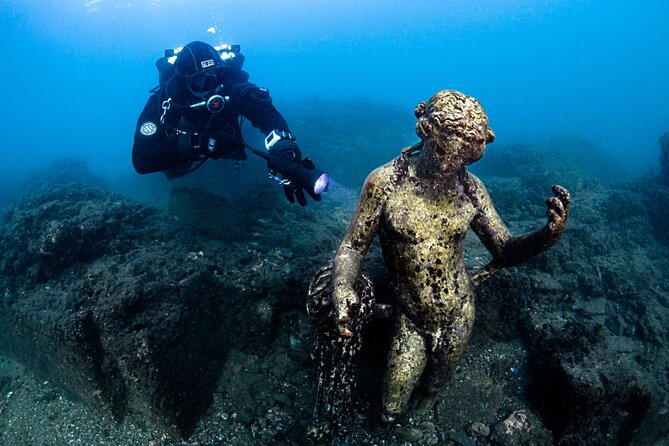
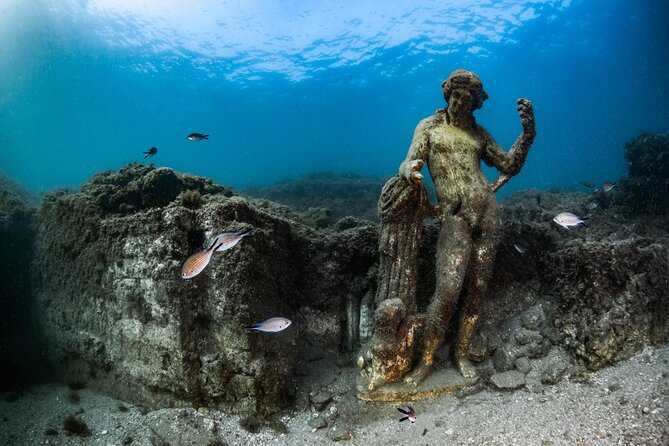
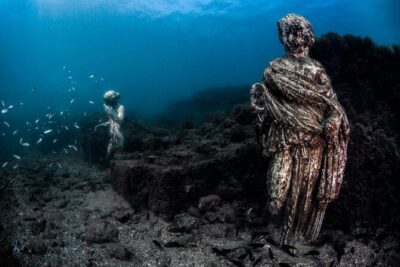
Still, you should set your expectations carefully. Baia’s archaeological park has seven underwater locations, but only one includes statues. The statues are replicas, while the original pieces are in a museum. Other sites focus on mosaics and architectural remains, and those may offer better visibility on a given day.
More Campi Flegrei and Pozzuoli trips:
- Snorkeling among the Submerged Archaeological Finds of Baia da Napoli
★ 5.0 · 72 reviews - Private car tour among the treasures of the Phlegraean Fields of Naples.
★ 5.0 · 47 reviews - Phlegraean Fields: Pozzuoli Guided Walking Tour
★ 4.6 · 14 reviews
The opening lesson for first-time scuba participants
The session begins with a tutorial from a certified instructor. If you have never used scuba equipment, this part matters as much as the underwater visit itself. You learn the basic steps before entering the water, rather than being expected to figure everything out as you go.
The equipment is included, as are fees, taxes, and bottled water. You should still arrive ready to listen closely and take the lesson at your own pace. Several people have praised the instructors for being patient, clear, and supportive, which is exactly what you want when breathing underwater feels unfamiliar.
The small maximum group size of four is another practical advantage. An instructor can watch each participant more closely, answer questions, and adjust the pace. That is particularly helpful if you feel nervous at first. One 71-year-old participant described the experience as a final scuba outing and singled out the warmth of the wetsuit and the clear briefing before both underwater sessions.
Alex is one instructor associated with the experience. If you are new to scuba, you will want the same kind of calm guidance described by previous participants: a clear explanation of what you will see, what to do, and how to stay comfortable.
Two underwater visits among Roman mosaics
The package includes two underwater sessions, not just a short tryout. That gives you time to become more comfortable with the equipment and then pay closer attention to the archaeology.
The first session may feel focused on basics. You are learning how the equipment works, how to move, and how to stay with your instructor. Once those skills become more familiar, the second visit can feel less like a lesson and more like an exploration of the submerged ruins.
The exact site depends on the schedule set by the management of the Baia marine archaeological park. The operator usually plans locations by week, based on availability and conditions. That means the itinerary is not fully fixed in the way a museum route might be.
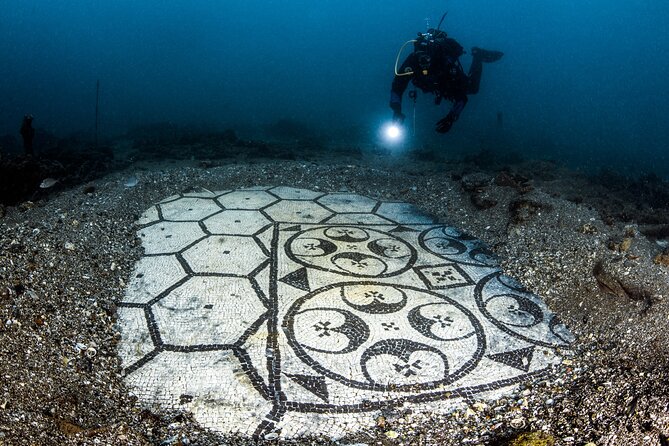
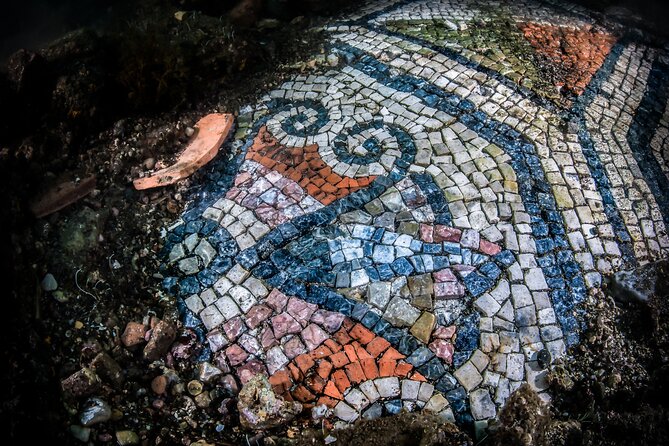
Mosaics are often a major draw. Some are nearly 2,000 years old, and getting close to them gives you a clear sense of the craftsmanship and scale of Roman decoration. You may also see other art and built remains emerging from the sand on the sea floor.
Visibility can shape the entire experience. If conditions are poor at the statue location, the instructor may take you to a mosaic site instead. That can be a sensible choice. A clearly visible mosaic is likely to be more rewarding than a murky view of replica statues, but you should know this before booking.
The statue question matters more than the photos suggest
The statue site is the biggest point to clarify in advance. Some images associated with the experience show underwater statues, but the statues are located at only one of the seven sites. You will not automatically visit all seven locations in one outing.
If seeing the statues is your main reason for booking, contact SuBaia Diving Center before the day of your visit and specifically request the statue site. Even then, access depends on the marine park’s schedule and underwater visibility. The site may not be available, and the operator may choose a different location when conditions are poor.
This is not a minor detail for an archaeology-minded visitor. A person booking mainly for statues could feel disappointed if the session centers on mosaics instead. On the other hand, the mosaics are not a consolation prize. They are original Roman remains, while the statues are replicas of pieces now held in a museum.
I would treat the statues as a possible bonus rather than the central promise. If the staff confirms that site in advance, wonderful. If not, book only if seeing mosaics and other underwater remains still sounds worthwhile.
A few more Naples trips worth weighing up
- Napoli: Discover Scuba Diving in the Park of Baia
★ 5.0 · 10 reviews
What the instructors add to the experience
The strongest part of the outing is the instruction. First-time participants need more than equipment and a scenic location. They need someone who can explain the process without rushing and keep the underwater portion calm.
The experience is designed for beginners through the Try Scuba program, but certified scuba participants can also take part through other options. Snorkeling is available as well, so you do not have to be a certified scuba participant to see the archaeological area.
The instructor explains what you are likely to see at the selected site before the underwater visit. That briefing helps prevent confusion, especially when the location differs from the statues shown in some images. It also gives you a better idea of where to focus once you are underwater.
I would pay attention to the briefing rather than rushing toward the ruins. The value here is not just the old masonry. It is learning how to observe an archaeological site while staying aware of your breathing, equipment, and position in the water.
Time, group size, and the ride from Naples
The experience lasts about five hours. That is long enough to include instruction, equipment preparation, and two underwater sessions without turning the outing into a rushed photo stop.
Pickup is offered, but transportation from Naples is not included in the listed price. The additional cost is €75 from Naples, paid directly to the driver. Since the main price is $263.08 per person, you should add that transfer cost when working out the total budget.
The small group limit of four helps explain why this is priced above a basic sightseeing trip. You are paying for specialist equipment, certified instruction, a tightly managed underwater activity, and entry-related costs. For someone who already wants to try scuba and values a rare archaeological setting, that can be fair value.
It is less attractive if you are only mildly curious about scuba or mainly want a quick look at Roman ruins. A land-based archaeological visit will cost less and involve fewer practical steps. This experience earns its price through the setting and the personal instruction, not through a long list of stops.
The activity is offered in English. Confirmation is provided at booking, and most people can participate. Since weather affects the outing, a poor-weather cancellation can lead to a different date or a full refund.
Who will get the most from this experience
This is a strong choice for a first scuba experience if you are excited by history and want an instructor close by. The small group and patient teaching make it easier to ask questions and work through first-time nerves.
It also suits certified scuba participants who want something different from a standard coastal outing. Swimming around Roman remains gives the session a clear sense of place, and the two underwater visits allow more time than a single introductory dip.
Snorkelers have an option too. You will not have the same underwater access as a scuba participant, but you can still visit the archaeological area from the surface. This may suit you if you want to see the ruins without committing to scuba equipment and training.
I would hesitate if you need a fixed itinerary or if statues are the only attraction that interests you. The selected site can change, and the statue location is not guaranteed. You should also be comfortable with the possibility that weather or visibility will affect the plan.
A practical value check at $263.08
At $263.08 per person, this is a specialist experience rather than a cheap add-on to a Naples sightseeing day. The price includes scuba equipment, all fees and taxes, bottled water, an instructor, and two underwater sessions.
The additional €75 transport charge from Naples makes the final cost higher. If you are traveling with a small group, calculate the transport separately before booking. Pickup is convenient, but it is not part of the headline price.
The best value comes when you use the full experience: learn the basics, complete both underwater visits, and take time to understand the selected archaeological site. If you only want to look at statues, the price becomes harder to justify because that location may not be available.
I see the cost as reasonable for a carefully supervised first scuba experience in an underwater archaeological park, provided you accept the flexible site selection. The setting is unusual enough to justify a premium, but only if your expectations match the actual conditions.
Booking advice and cancellation terms
You can cancel up to 24 hours before the start time for a full refund. Changes made less than 24 hours before the experience are not accepted, and cancellations inside that period are not refunded.
Weather is a key factor. If poor conditions cause the operator to cancel, you can choose another date or receive a full refund. That policy is useful here because visibility and water conditions directly affect what you can see.
I would contact the operator before booking if the statue site matters to you. Ask which site is planned for your date, then understand that the final decision can still depend on marine park availability and visibility.
Should you book the Baia underwater ruins experience?
Book it if you want a patient first scuba lesson tied to a genuine archaeological setting. The chance to get close to nearly 2,000-year-old mosaics is the main reason to go, and the small group, two underwater sessions, and careful instruction add real value.
Think twice if you expect the statues shown in every image or want a guaranteed route. Only one of Baia’s seven sites contains statues, and those are replicas. Ask for that location ahead of time, but choose this outing only if mosaics and other Roman remains would still make the day worthwhile.
For history lovers who are curious about scuba, this is a memorable way to meet Baia. For everyone else, it is best viewed as a focused underwater lesson with Roman ruins, not a complete tour of every site in the marine park.
FAQ
How long does the Baia scuba experience last?
The experience lasts approximately five hours.
Are two scuba sessions included?
Yes. The program includes instruction, scuba equipment, and two underwater sessions.
Is the experience suitable for beginners?
Yes. Beginners can join through the Try Scuba program with a certified instructor. Most people can participate.
Will I see underwater Roman statues?
The statue site is not guaranteed. Baia has seven underwater archaeological sites, but only one contains statues. Site access depends on the marine park schedule and underwater visibility, so request the statue location in advance if it is important to you.
Is transportation from Naples included?
Pickup is offered, but the air-conditioned vehicle is not included in the listed price. Transport from Naples costs €75 and is paid directly to the driver.
What happens if bad weather cancels the experience?
You can choose a different date or receive a full refund if poor weather causes the experience to be canceled. You must cancel at least 24 hours before the start time to receive a full refund for your own cancellation.
Just added around Naples
- The Ultimate Neapolitan Cooking Class with Local★ 5.0 · 3 reviews
- Full-Day Tour of the Amalfi Coast and Pompeii from Naples★ 4.5 · 3 reviews
- Naples: Old City Center Street Food Tour with Spritz★ 4.7 · 3 reviews
- Visit in Pompeii – Naples Private Tour with Ada★ 5.0 · 3 reviews
- Transfer from Naples to Sorrento or viceversa★ 5.0 · 3 reviews
- Naples: National Gallery of Capodimonte Tour★ 5.0 · 3 reviews
- Visit 2 wine producers with tasting and transportation included★ 5.0 · 3 reviews
- Naples: Mozzarella experience★ 5.0 · 3 reviews
Phlegraean Fields Tours, compared.
Snorkeling among the Submerged Archaeological Finds of Baia da Napoli
Read our review →
Private car tour among the treasures of the Phlegraean Fields of Naples.
Read our review →
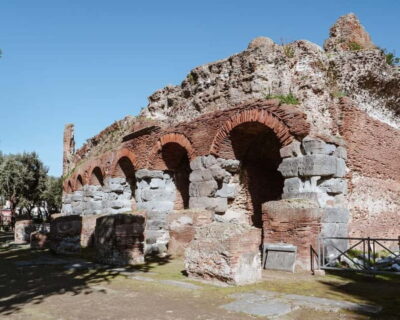
Private car tour among the treasures of the Campi Flegrei in Naples
Read our review →

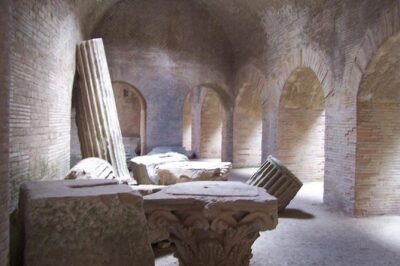
The Phlegrean Fields Discover the ruins of Baia, Cuma and Pozzuoli
Read our review →Browse the lists this tour appears in