
Reviewed · COOKING CLASSES
Naples: Pasta Cooking Class with Tiramisù and a Drink
Naples’ pasta class gives you more than a quick demonstration. You make three kinds of pasta by hand, prepare tiramisù, then sit down to eat the finished meal in a restaurant opposite the San Carlo Theatre. The chef adds three sauces: Nerano, Sorrentina, and potatoes with provola.
I like the small-group feel, which gives instructors such as Alessia, Manuela, and Emanuela time to correct your technique and keep the mood light. I also like the practical format: you work with fresh ingredients, then enjoy bruschetta, wine or another drink, dessert, and coffee rather than leaving after a short lesson.
The main consideration is that the class lasts about two hours, so it is a compact introduction rather than a full professional cooking course. People with gluten intolerance cannot take part, and the activity is not suitable for wheelchair users or people with mobility impairments.
In This Review
- Key points at a glance
- Making pasta opposite Naples’ San Carlo Theatre
- What you actually make during the two hours
- Why the three sauces make the meal worthwhile
- Tiramisù first, pasta second
- The instructors shape the experience
- Small groups, solo visitors, and families
- Is $71 good value in Naples?
- Practical limits you should know before booking
- Who should book this Naples pasta class?
- Should you book it?
- FAQ
- Where does the pasta class take place?
- How long does the experience last?
- What pasta will I make?
- Which sauces are served with the pasta?
- Is tiramisù included?
- Is a drink included?
- Is the class taught in English?
- Can I cancel the booking?
Key points at a glance
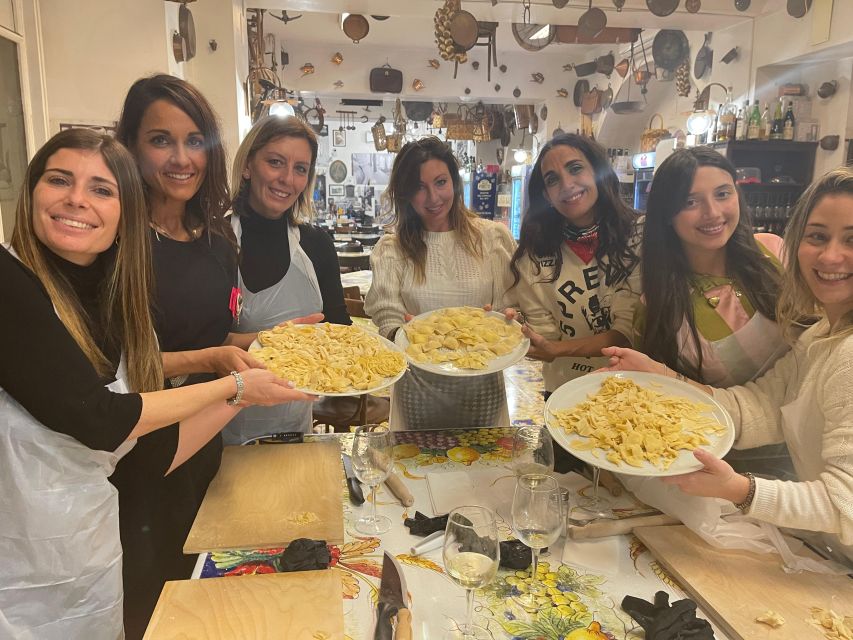
- Three pasta shapes in one class: Make tagliatelle, ricotta-filled ravioli, and maltagliati.
- Three Neapolitan-style sauces: Your pasta is cooked in the kitchen and served with Nerano, Sorrentina, and potato-and-provola sauces.
- Tiramisù is part of the lesson: Prepare the dessert early so it has time to set while you work on the pasta.
- A real restaurant setting: San Carlo 17 sits opposite the San Carlo Theatre, near Piazza Plebiscito and the Naples waterfront.
- A generous meal afterward: Bruschetta, pasta, tiramisù, water, one drink, and espresso are included.
- Good for beginners and families with older children: The English-speaking instructors keep the instructions clear and hands-on.
Making pasta opposite Naples’ San Carlo Theatre
The class takes place at Restaurant San Carlo 17 on Via San Carlo 17, directly opposite the famous San Carlo Theatre. This is a handy central location, close to Palazzo Reale, Piazza Plebiscito, and Galleria Umberto I.
You can walk there in about seven minutes from the Naples Tourist Port. Municipio metro station is about five minutes away, and the taxi rank is only two minutes from the restaurant. I would allow a little extra time for finding the entrance and getting upstairs, then arrive at least five minutes before the scheduled start.
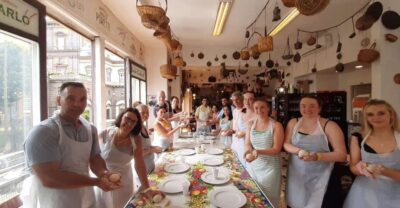
The restaurant setting matters. You are not working in a schoolroom or a rented studio. You make the food inside a working dining venue, and the pasta is later prepared by the kitchen team. Some sessions take place upstairs, where you might have views toward the waterfront and a castle beside the bay.
The atmosphere is part of the appeal. The room has been described as rustic and attractive, and pasta and pizza classes may run on opposite sides of the restaurant. That can add a social feel, though it also means the room may not be dedicated only to your group.
More cooking classes in Naples:
- Naples: Pasta Making Class with Starter and Drink
★ 4.9 · 1,060 reviews - Naples: Neapolitan Pizza and Tiramisù Making Class
★ 4.8 · 839 reviews - Pizza and Tiramisù Making class
★ 5.0 · 305 reviews
What you actually make during the two hours
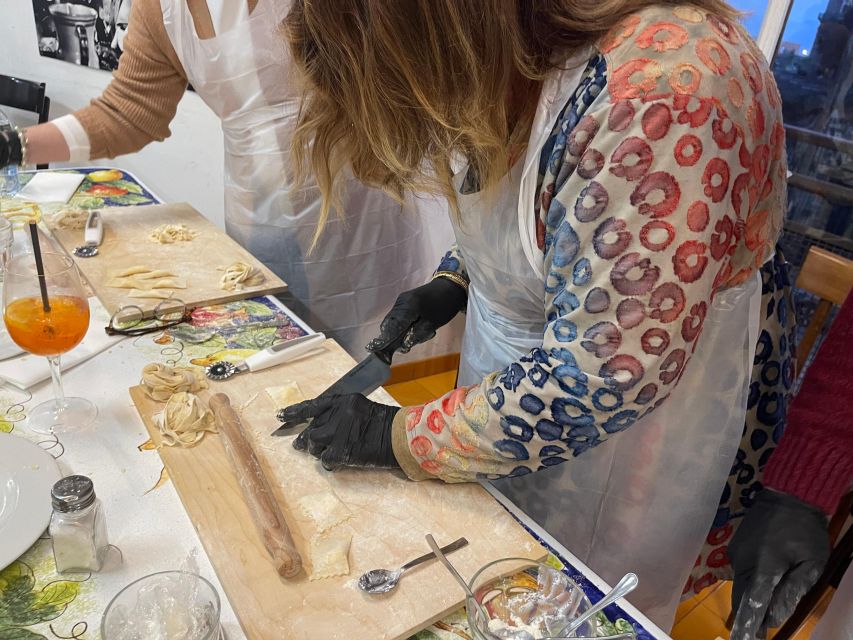
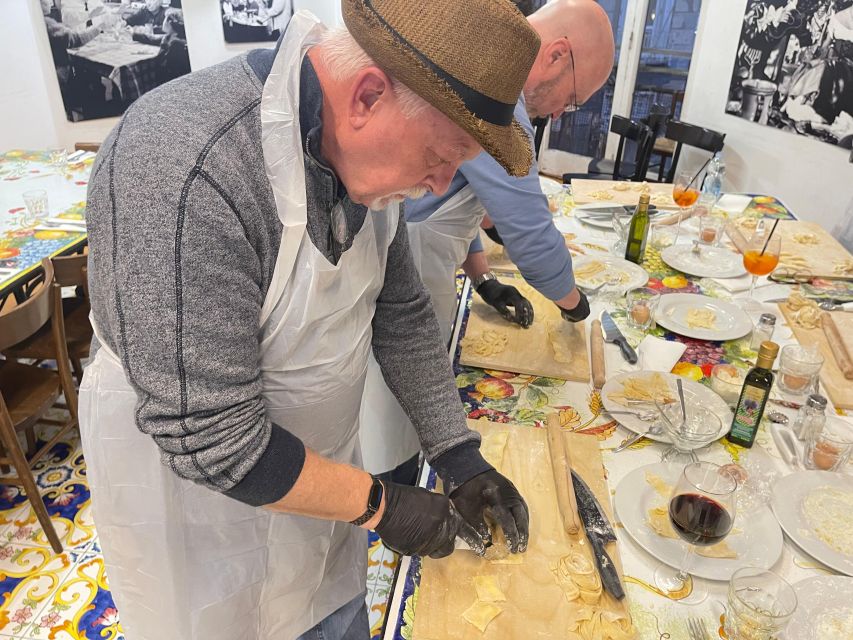
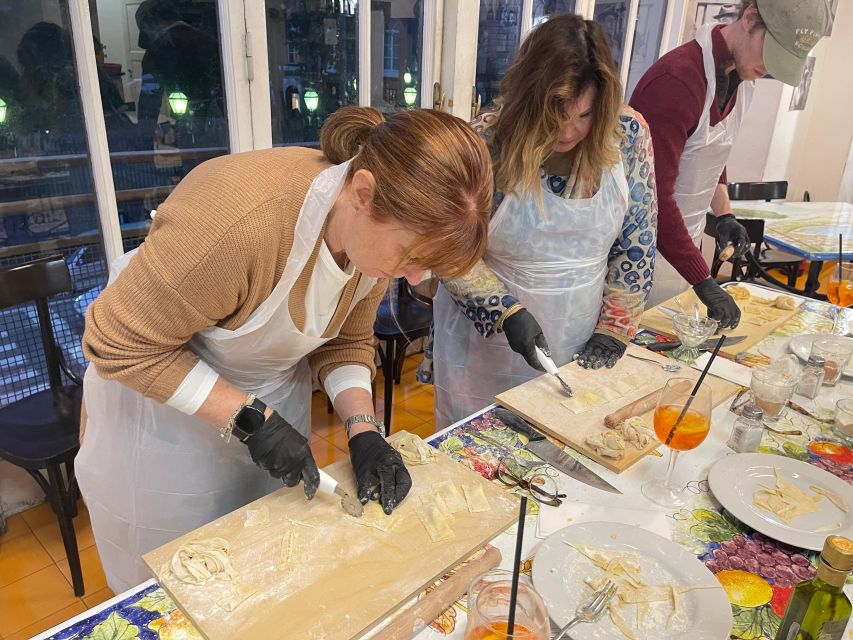
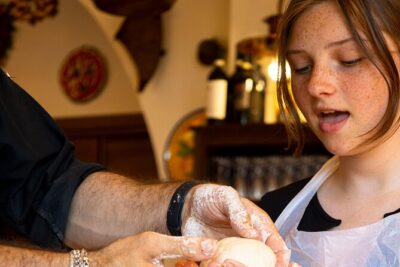
The session begins with a short explanation of the ingredients and methods, followed by hands-on work. You put on an apron, help knead the dough, and take part in cutting and shaping the pasta.
The three pasta forms give the class a useful range. Tagliatelle teaches you how to roll and cut long ribbons. Ravioli alla Sorrentina adds a filling made with fresh ricotta cheese, so you learn to handle a softer dough and seal individual parcels. Maltagliati is a more relaxed shape, made from irregular pieces of pasta.
The exact balance of demonstration and practice can depend on the group. One point worth knowing is that the finished pasta may be combined before it is served. If you are cooking with children, they may not end up eating the precise pieces they rolled and shaped themselves.
That is a small tradeoff, not a major flaw. The goal is to understand the basic method and enjoy a full meal, not to produce a separate plated portion for every person. You still take part in the central work, and the kitchen handles the final cooking so the class can move at a steady pace.
The traditional rolling method is another plus. At least some sessions use a rolling pin to flatten the dough rather than relying entirely on a pasta machine. That gives you a better sense of the dough’s texture and makes the lesson easier to repeat at home with ordinary equipment.
Why the three sauces make the meal worthwhile
The restaurant kitchen prepares the pasta with three different sauces. Tagliatelle is served with Nerano sauce, a Campanian preparation associated with zucchini and cheese. Ravioli is paired with Sorrentina sauce, while maltagliati is served with potatoes and provola.
The sauces turn the class into a proper tasting meal. You are not simply eating plain pasta that you made minutes earlier. Each shape is matched with a different preparation, so you can see how pasta size, filling, and sauce work together.
The kitchen also handles the cooking. That is useful for beginners because homemade pasta can be tricky to time, especially when several shapes and thicknesses are involved. You get to focus on the technique, then taste the finished result without worrying about burning the sauce or undercooking the dough.
The meal begins with bruschetta, followed by the three pasta dishes. One bottle of water and one drink are included. Your drink can be alcoholic or non-alcoholic, so you can choose wine, a soft drink, or another included option. Extra drinks cost more.
Tiramisù first, pasta second
The tiramisù is prepared during the early part of the class. This is a sensible order because the dessert needs time to rest before you eat it.
You work with the familiar combination of coffee, cream, and biscuits, but the class presents it as a fresh, simple preparation rather than a complicated pastry exercise. The dessert is approachable for first-time cooks, and the method is practical enough to repeat in your own kitchen.
Several participants have found the tiramisù especially useful because the Italian version differs from recipes commonly made in North America and elsewhere. You get to see how a short ingredient list can still produce a satisfying dessert.
At the end, the tiramisù is served alongside the pasta. Espresso finishes the meal. This last coffee is a small but fitting touch, and it means the experience feels like lunch or dinner with a lesson attached rather than a class followed by an immediate departure.
A few more Naples trips worth weighing up
- Naples Pasta Class: Fettuccine & Ravioli with Grandma’s Recipe
★ 5.0 · 506 reviews - Amazing Pizza and Pasta Class at Savio’s kitchen cooking school
★ 5.0 · 104 reviews - Learn To Make Fresh Pasta With Love in Naples
★ 5.0 · 77 reviews - Hands-On Pasta Making and Traditional Tiramisu Workshop
★ 4.5 · 71 reviews
The instructors shape the experience
The listed language is English, and the instructors named in the feedback include Alessia, Manuela, Emanuela, and Matilde. Their individual style may vary, but the strongest pattern is clear: the class depends heavily on patient, lively instruction.
Alessia is described as funny and attentive, with family stories about learning traditional techniques from her grandmother. Manuela has been praised for clear explanations and a relaxed manner. Emanuela is known for keeping the atmosphere playful while helping people through each step. Matilde has offered detailed comparisons between Italian ingredients and those commonly found in Canada and North America.
That last point is helpful if you cook at home. Flour, ricotta, cheese, and other ingredients can behave differently from country to country. A good instructor can explain what to look for rather than simply telling you to copy a recipe word for word.
The class suits both confident home cooks and complete beginners. You do not need prior pasta-making experience. The teaching is built around direct participation, and instructors can give extra help when someone has trouble rolling, cutting, or sealing the dough.
Small groups, solo visitors, and families
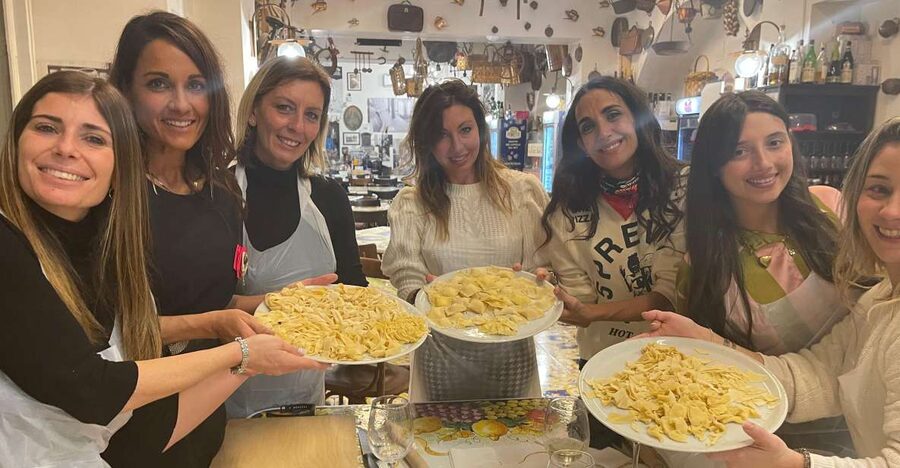
Group size can vary, but several sessions have been notably small, including classes with only two participants or around five or six people. This is one of the best reasons to choose this activity over a large demonstration.
A small group lets you ask questions without holding up a crowd. It also makes it easier to get help with ravioli sealing or dough thickness. Solo visitors can fit in comfortably, and one-person or two-person sessions may feel almost private.
The class also works well for couples, friends, and families. A 17-year-old joined one session with a parent, and families with teenagers have enjoyed the hands-on format. Younger children may attend in some groups, but the formal restrictions say the activity is not suitable for children under two or babies under one. The information also lists children under three as unsuitable, so families should confirm the age rule when booking.
I would not choose this for someone who wants a quiet meal. The class is social, practical, and sometimes lively, especially if a pizza group is working nearby. That energy helps most people, but it may not suit someone looking for a slow, private dinner.
Is $71 good value in Naples?
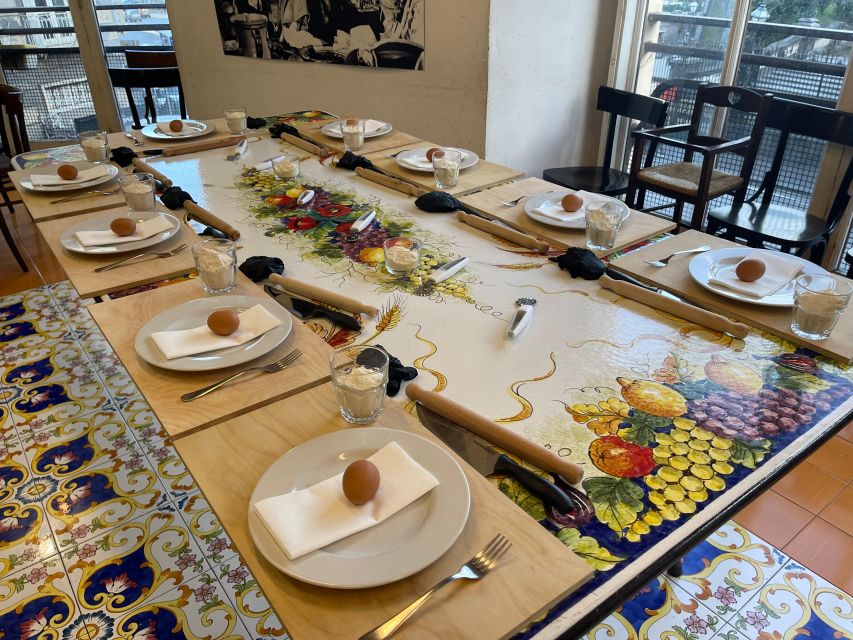
At $71 per person, this is not the cheapest way to eat pasta in Naples. It is also more than the price of a casual plate of pasta. The value comes from combining instruction, ingredients, a full meal, dessert, a drink, and coffee in one central experience.
You receive a theoretical and practical lesson, equipment, fresh ingredients, three pasta preparations, three sauces, bruschetta, water, tiramisù, one drink, and espresso. If you had to buy a meal and a separate cooking activity, the total would quickly rise.
The meal is also substantial. You make more than one pasta shape, and the portions are generous enough that you should arrive hungry. The experience is particularly good value if you want an activity that fills part of an afternoon or evening while also giving you recipes and techniques to use later.
I would compare it with your priorities. If you mainly want the lowest-cost meal, order pasta at a trattoria. If you want a social activity and the satisfaction of making food yourself, the price is easier to justify.
Practical limits you should know before booking
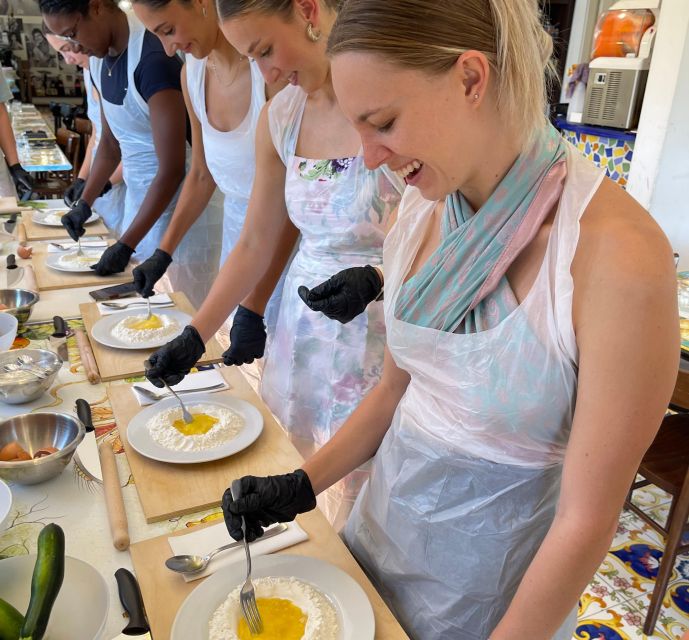
The class lasts two hours, despite the activity being listed as valid for one day. Check the available start times and choose an afternoon or evening slot that fits your sightseeing plans.
The central location makes it easy to combine with the San Carlo Theatre, Palazzo Reale, Piazza Plebiscito, or Galleria Umberto I. It is also convenient before or after time near the port. I would avoid scheduling it too tightly against a train, ferry, or timed attraction because the meal portion comes at the end and the pace can vary with the group.
The activity is not suitable for wheelchair users or people with mobility impairments. The information also excludes people with motion sickness, though that restriction may be less relevant for a stationary restaurant class than for a boat or bus trip. Bikes, bare feet, alcohol and drugs are not allowed.
People with gluten intolerance should not book this pasta class. The activity centers on wheat-based dough, and there is no stated gluten-free alternative.
Cancellation is flexible up to 24 hours before the start for a full refund. You can also reserve now and pay later, which helps if your Naples schedule is still changing.
Who should book this Naples pasta class?
I would recommend it to first-time pasta makers, food-loving couples, solo visitors, and families with teenagers. It gives you a clear introduction without demanding advanced cooking skills, and the meal at the end rewards you for taking part.
It is also a good choice if you want a cultural activity that feels local without requiring a full day outside the city. You learn about ingredients, family-style traditions, rolling dough, shaping pasta, and Italian dessert preparation in one sitting.
You might skip it if you have gluten intolerance, need step-free access, dislike group activities, or already have extensive pasta-making experience and want advanced instruction. The two-hour format is friendly and efficient, but it will not cover every regional pasta technique.
Should you book it?
Book this if you want to cook, eat, and learn in one central Naples stop. The strongest parts are the small groups, patient English-speaking instructors, three pasta shapes, and the generous meal with sauces, tiramisù, a drink, and coffee.
Choose an early arrival, wear comfortable clothing, and come hungry. If you are visiting with older children or traveling alone, this is an easy way to share a table, learn a useful skill, and leave Naples with recipes you can try at home.
FAQ
Where does the pasta class take place?
The class takes place inside Restaurant San Carlo 17 at Via San Carlo 17 in Naples, opposite the San Carlo Theatre.
How long does the experience last?
The cooking class lasts approximately two hours.
What pasta will I make?
You will prepare tagliatelle, ravioli filled with fresh ricotta cheese, and maltagliati.
Which sauces are served with the pasta?
The chef serves the pasta with Nerano sauce, Sorrentina sauce, and a potato-and-provola sauce.
Is tiramisù included?
Yes. You prepare tiramisù during the class and eat it at the end with espresso coffee.
Is a drink included?
Yes. The price includes one alcoholic or non-alcoholic drink and one bottle of water. Extra drinks are not included.
Is the class taught in English?
Yes. The listed instructor language is English.
Can I cancel the booking?
You can cancel up to 24 hours before the activity for a full refund. You can also reserve now and pay later.
More Workshops in Naples
- Naples: Pizza-Making Workshop with Drink and Appetizer
★ 4.9 · 5,411 reviews - Authentic Pizza Making Class in Naples with Appetizers and Drink
★ 5.0 · 3,178 reviews - Naples: Premium Pizza-Making Class at a Pizzeria
★ 4.8 · 300 reviews - Authentic Neapolitan Pizza Lesson
★ 4.4 · 140 reviews
Just added around Naples
- Full-Day Tour of the Amalfi Coast and Pompeii from Naples★ 4.5 · 3 reviews
- The Ultimate Neapolitan Cooking Class with Local★ 5.0 · 3 reviews
- Naples: Old City Center Street Food Tour with Spritz★ 4.7 · 3 reviews
- Visit in Pompeii – Naples Private Tour with Ada★ 5.0 · 3 reviews
- Transfer from Naples to Sorrento or viceversa★ 5.0 · 3 reviews
- Naples: National Gallery of Capodimonte Tour★ 5.0 · 3 reviews
- Visit 2 wine producers with tasting and transportation included★ 5.0 · 3 reviews
- Naples: Mozzarella experience★ 5.0 · 3 reviews
Cooking Classes, compared.
Amazing Pizza and Pasta Class at Savio’s kitchen cooking school
Read our review →
Master Authentic Neapolitan Pizza & Tiramisu at Home
Read our review →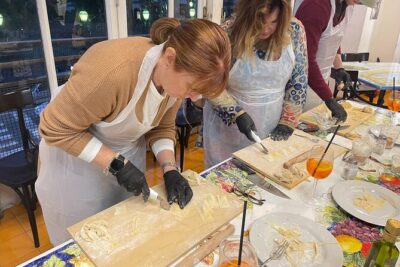
Hands-On Pasta Making and Traditional Tiramisu Workshop
Read our review →
Fresh Pasta Cooking Class and Dinner with a Local
Read our review →
Irpinia Tour of the Vineyards, Cooking Class and Wine-Tasting
Read our review →Browse the lists this tour appears in